Outdoor Education
The BMS Bike Workshop – Building Skills for Life
Last Friday, I had the privilege of visiting our bike workshop and seeing STEM learning in action. I walked in expecting to be impressed, and the students exceeded every...
Filter by Category
Filter by Author


Last Friday, I had the privilege of visiting our bike workshop and seeing STEM learning in action. I walked in expecting to be impressed, and the students exceeded every...

To celebrate great attendance, two lucky Year 7 students who achieved 100% attendance last week were picked at random to win three “Skip the Queue” lunch passes each...
A huge congratulations to our Year 11 students on completing their second round of PPEs! The last two weeks have undoubtedly been challenging and, at times, stressful, with...
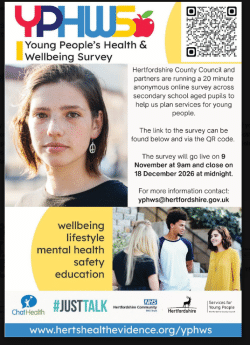
Services for Young People (SfYP) are working in partnership with Public Health Hertfordshire to deliver the survey, which aims to capture the experiences, health and...
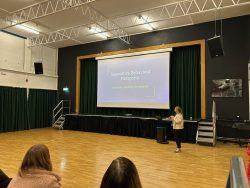
On Monday morning in our Staff Briefing it was great to hear from Miss Sumpter our Senior Advanced Lead Teacher for Raising Achievement. She spoke about a new joint initiative...
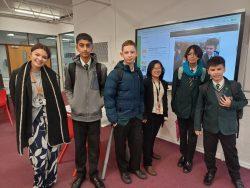
Last week, I had the pleasure of handing out STEM badges to our outstanding STEM Ambassadors during our second major STEM Ambassadors meeting of the term. It was a proud moment...
Name: Sophie O House: 8 Oak Reason: For having the most R points in year 8, no consequence points and 100% attendance. Well done Sophie!
Name: Emily H House: Ash Reason for nomination: For your continued hard work at Bushey Meads and for receiving the most reward points this week in your year group. An...

Tuesday 17th November saw the return of our annual celebration of student subject leaders. Our subject leaders work hard supporting their chosen subject areas all year but Subject...
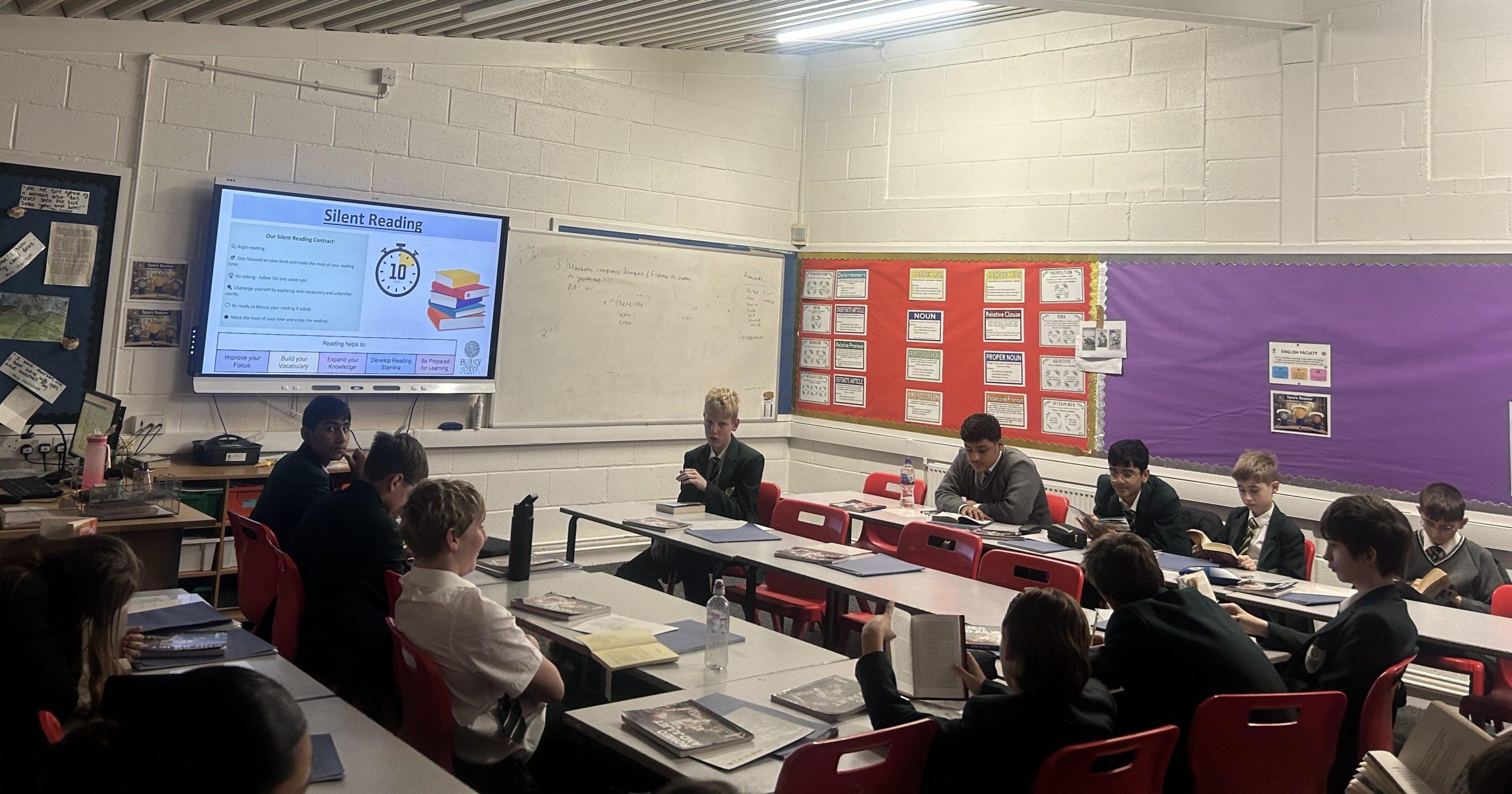
Imagine this: thirty bags hitting the floor, students tumbling over one another, corridor conversations spilling into the classroom and five precious minutes lost trying to get the classroom settled. I bet that’s nothing new, and who doesn’t love a bit of peace and quiet as a teacher?
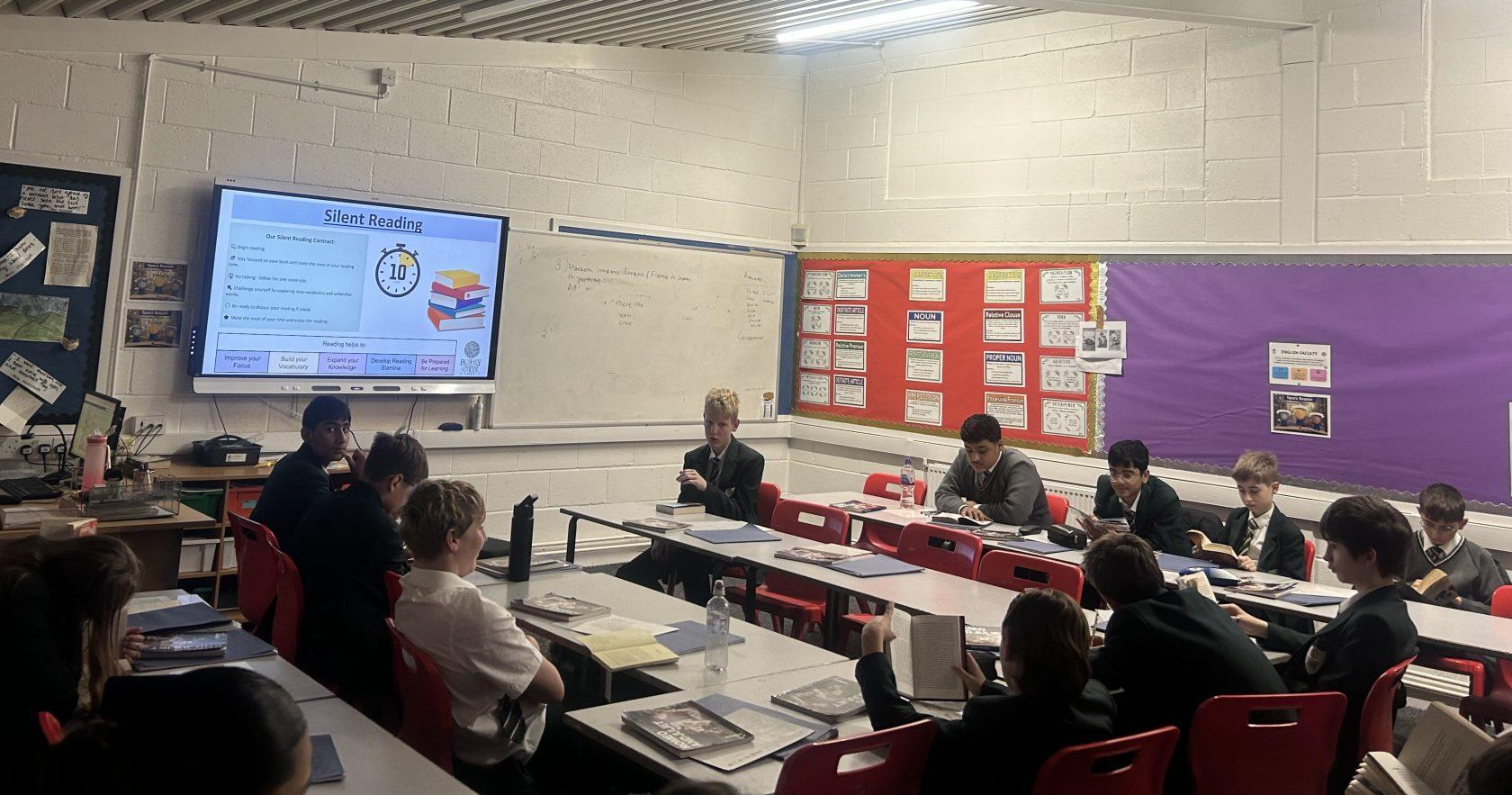
In the English Department this year, we’ve introduced a new and, may I say, very successful initiative: silent reading.
Currently, around 25% of students in Years 7–11 across the country have a reading age of 11 or below. As educators, I believe it is our collective responsibility to tackle that; after all, strong literacy is what will help our younger generation build a prosperous future.
So, what are we doing? Every KS3 lesson now begins with a calm, silent 10-minute reading session. Pupils can read a book of their choice—fiction or non-fiction—to simply reinforce and cultivate a genuine love for reading. The benefits are huge. Students get a settled start to their lesson, build their reading stamina (even if it’s just a couple of lines at a time), and expand their vocabulary. Meanwhile, it gives you, as the teacher, a few quiet minutes to take the register, hand out books, or quickly glance over your slides or even better, model reading by getting stuck into something intriguing yourself!
This isn’t just for English: How can you integrate this into your subject specialisms?
If you’re looking for ideas to start your lesson, you could try giving your classes an interesting piece of reading from your own subject area.
Maths: If you’re teaching algebra, @mathanisum has some really fun, engaging articles that help students see the day-to-day relevance of maths.
Science https://www.snexplores.org/ offers several student-friendly articles on recent discoveries, you could even complete this with a “Power Words” glossary at the bottom to help drill in tier-3 vocabulary.
It’s a great way to show why your subject matters in the real world while drilling key subject vocabulary at the same time.
This week try grabbing a book or printing a quick subject article, set a 10 minute timer at the start of your next KS3 Lesson and notice the difference it makes in the room!
Happy Reading!