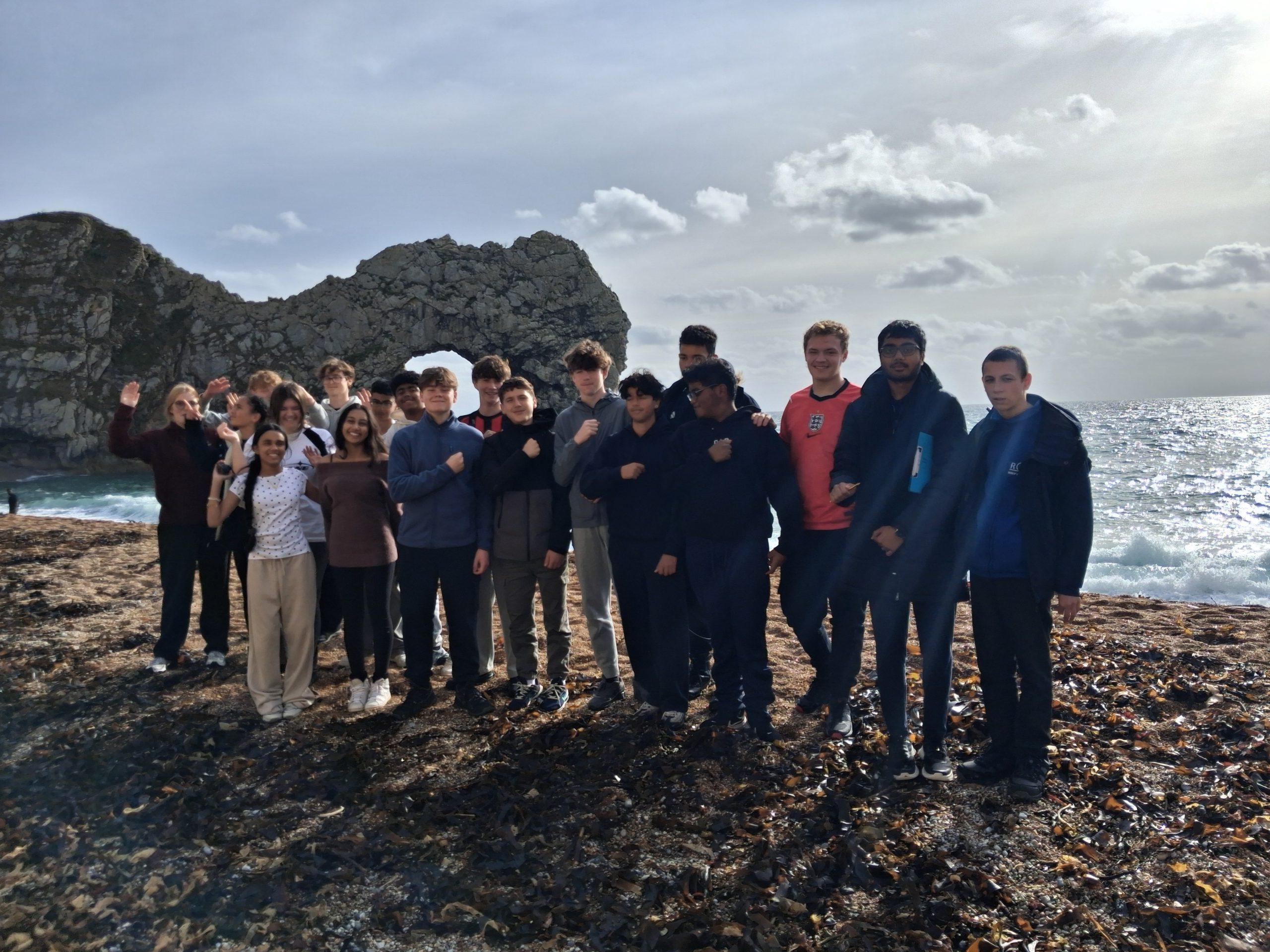
Year 11 Geography students from Bushey Meads School embarked on an immersive three-day fieldwork expedition to the spectacular coastlines and urban environments of Dorset. Across three action-packed days, our geographers demonstrated outstanding curiosity, teamwork, and resilience.
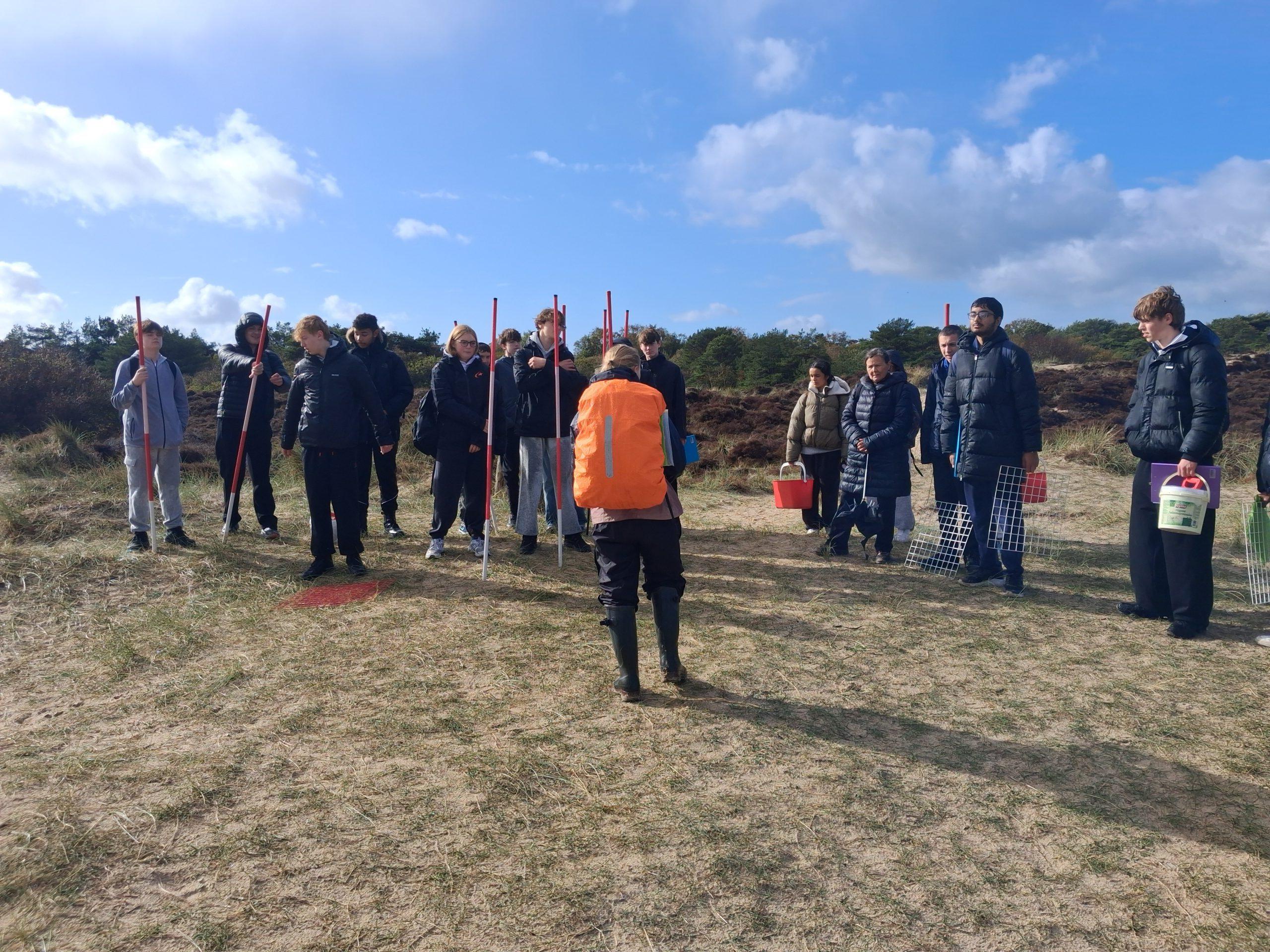
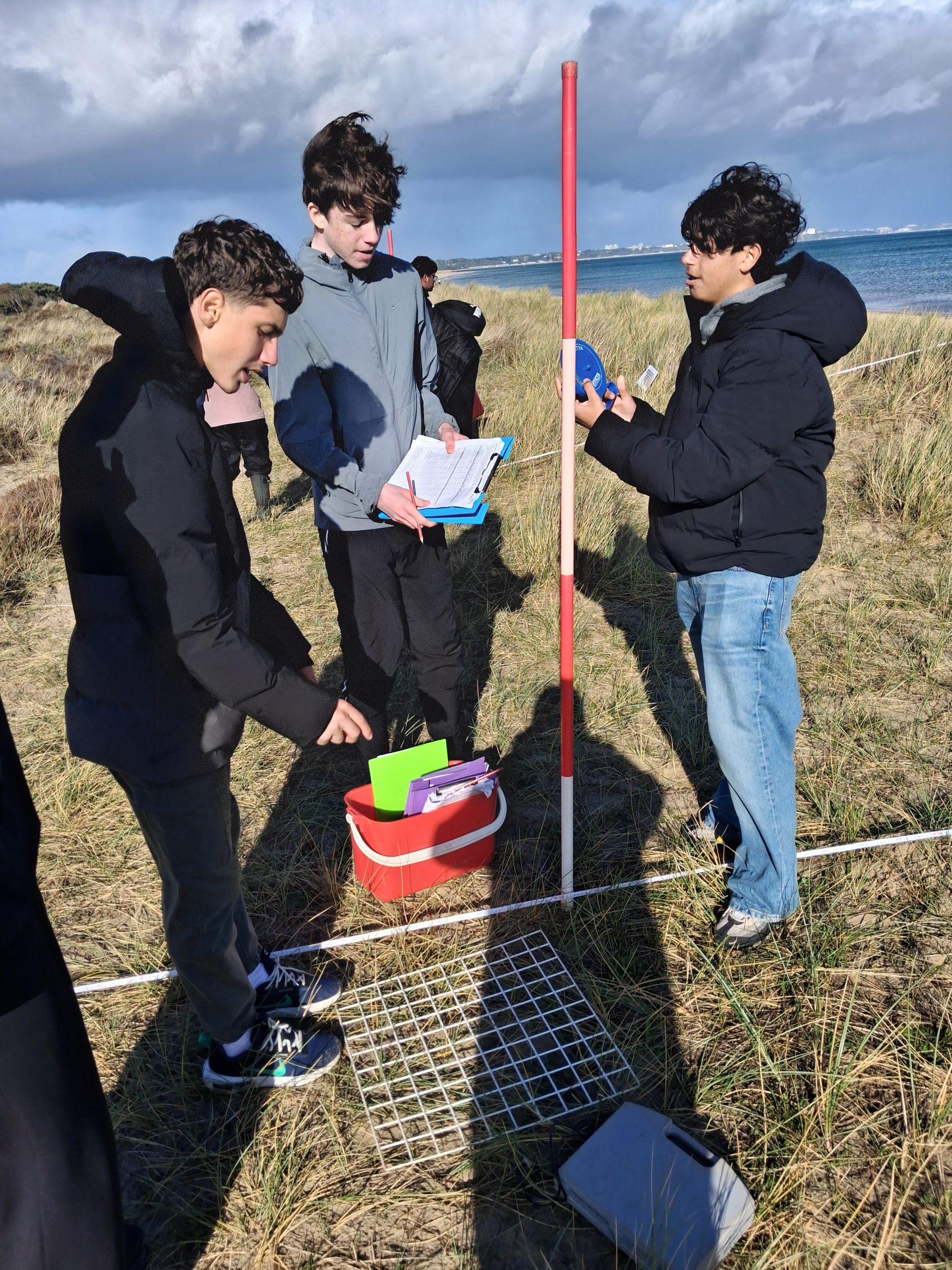
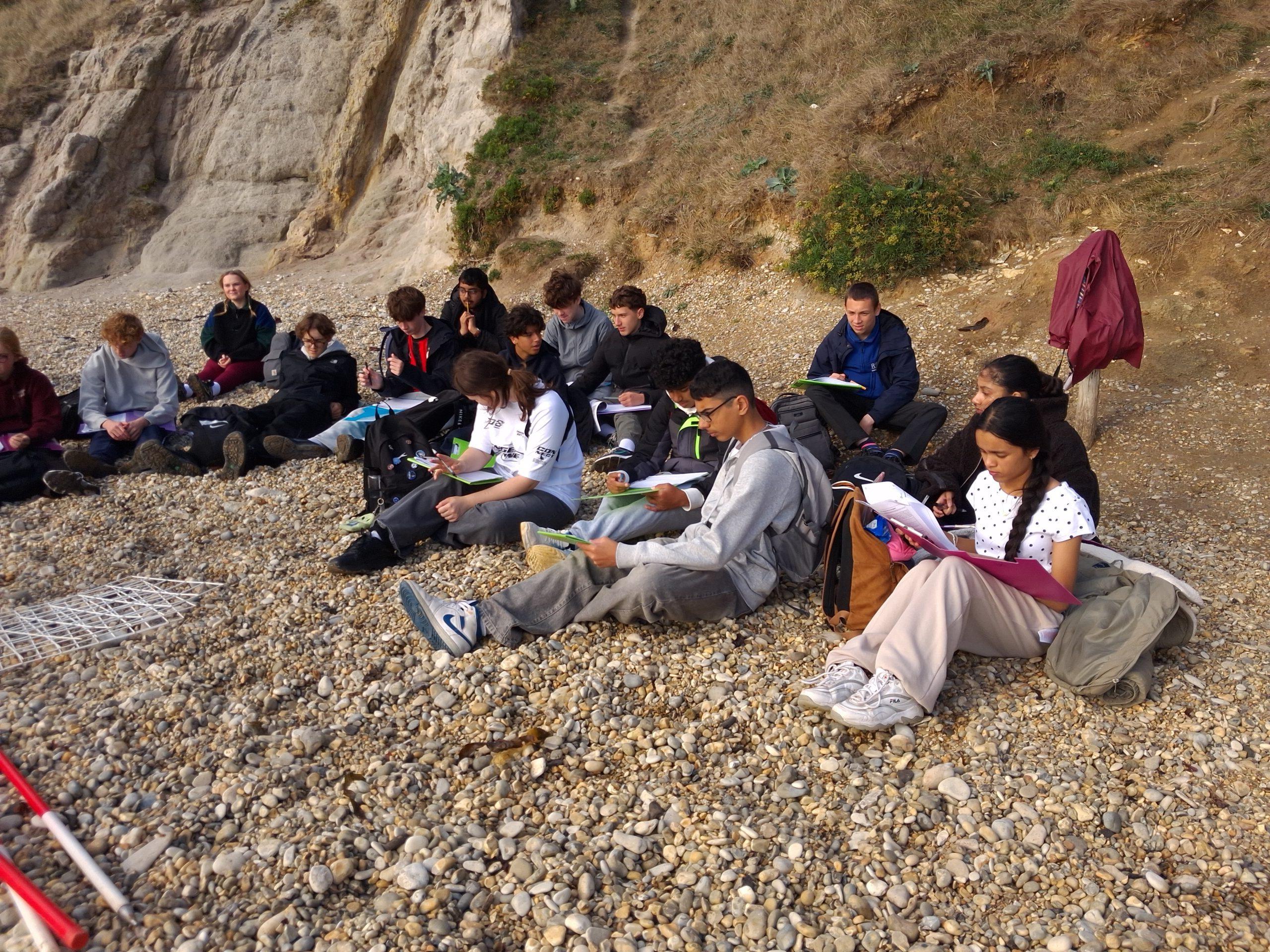
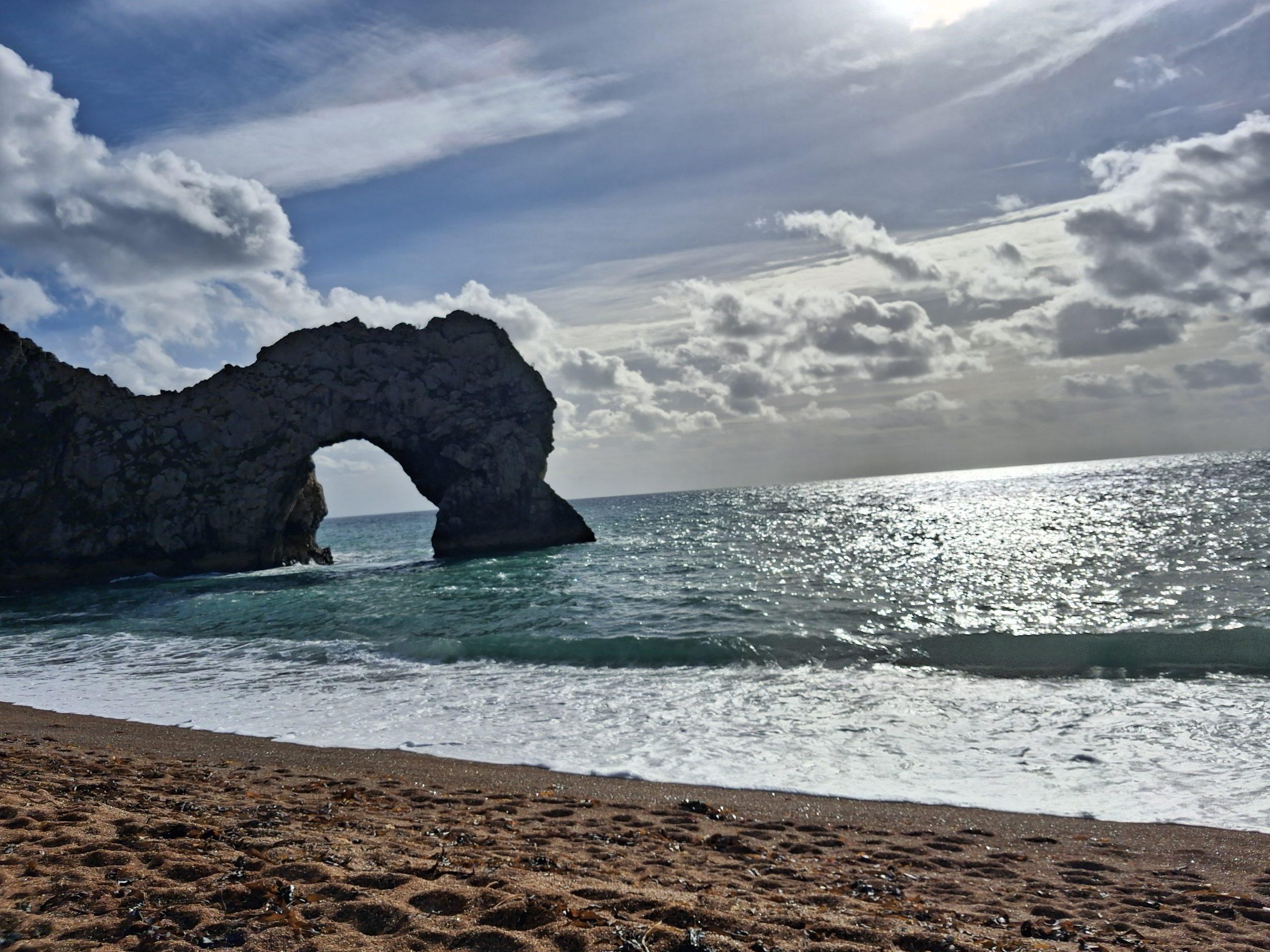
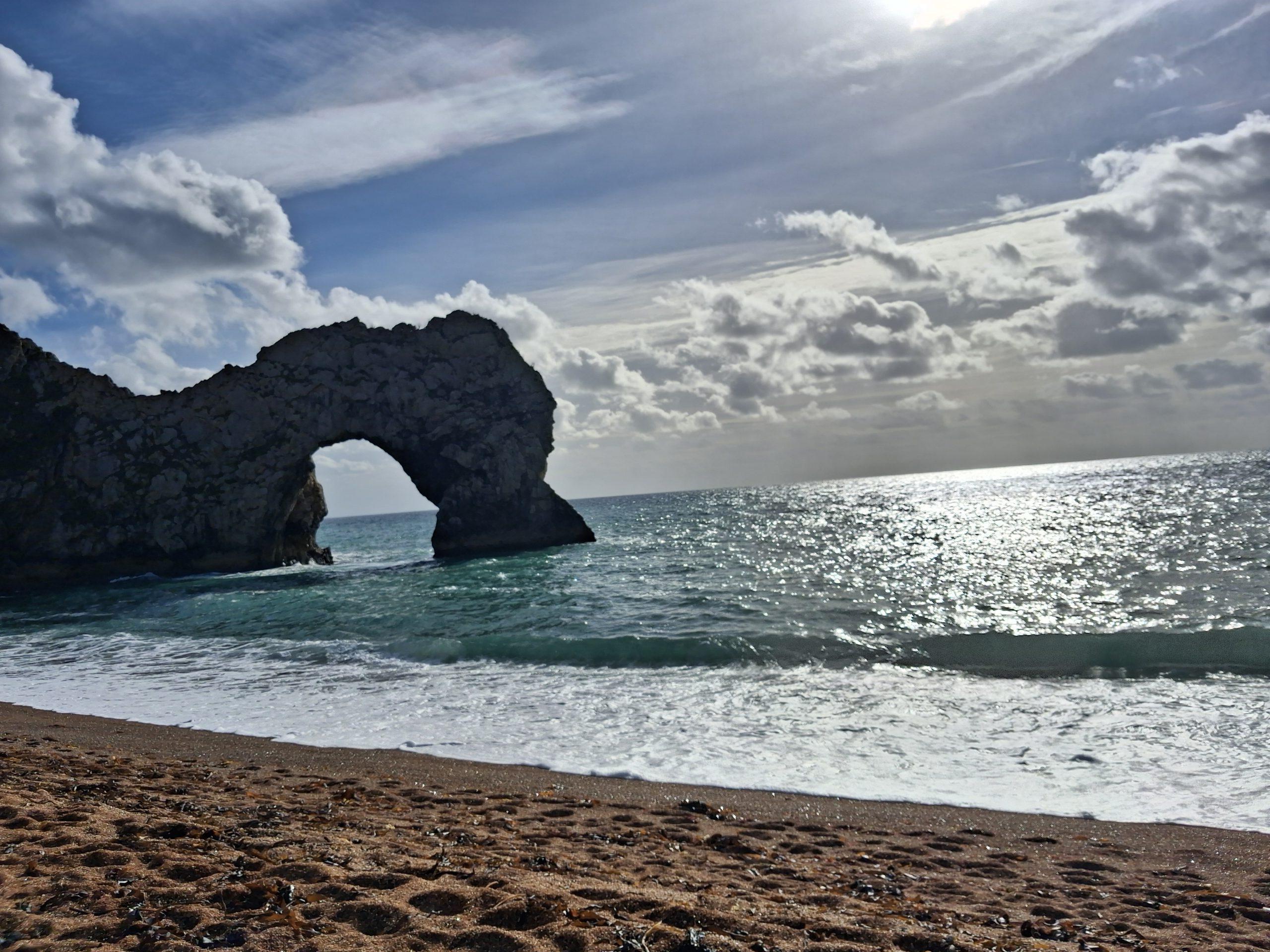
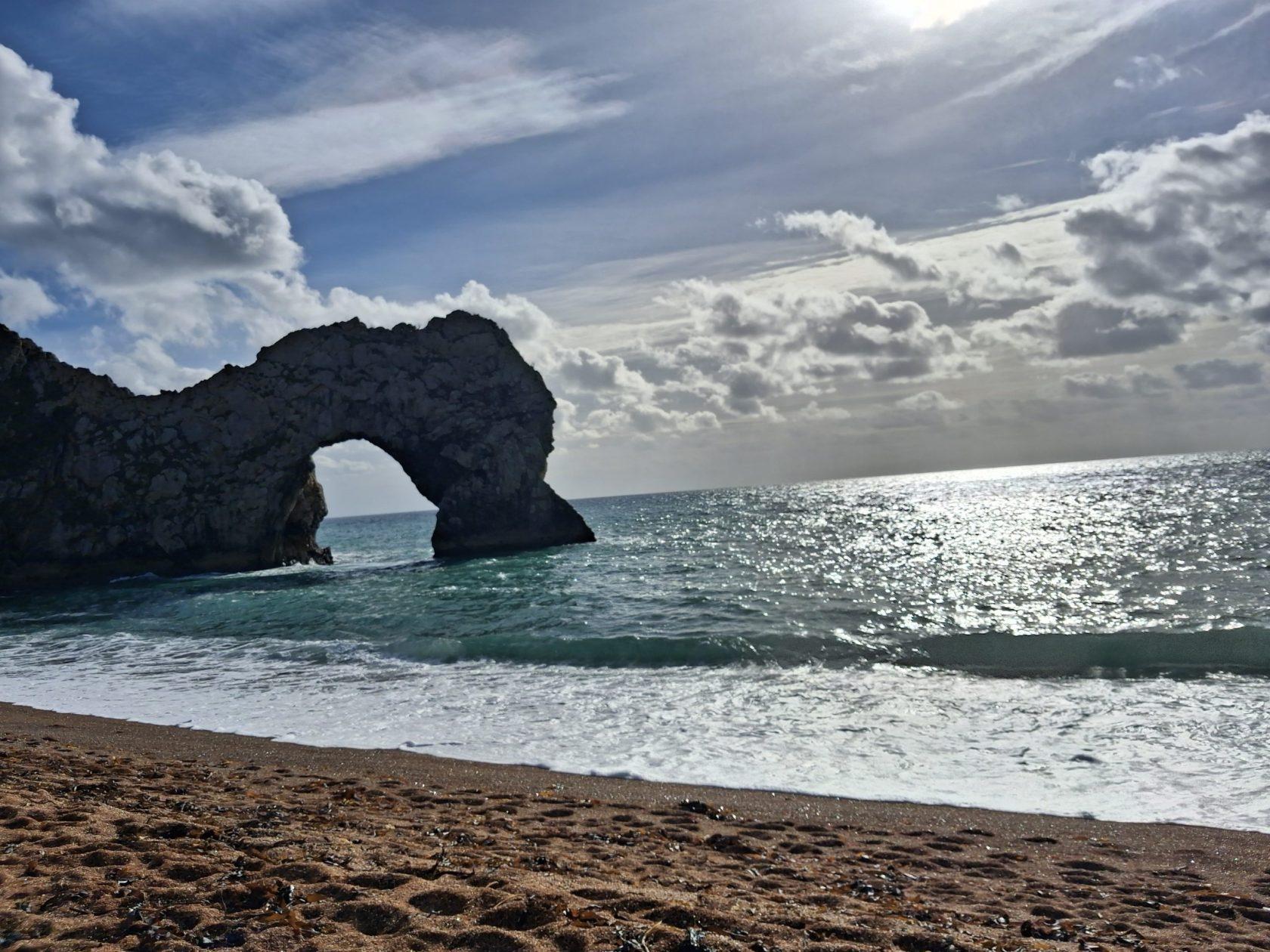
The trip began with an in-depth investigation into plant succession and sand dune development at Studland Bay. Equipped with transect tapes, clinometers, and quadrats, students gathered primary data on soil conditions, moisture levels, and vegetation cover moving inland from the shoreline. The focus then shifted to coastal erosion and landforms as students compared beach profiles at the world-famous Durdle Door and neighboring Man O’ War Cove. By measuring beach gradients and sediment sizes, the group gained first-hand insights into how wave energy and differential erosion shape these iconic features. A visit to nearby Lulworth Cove completed the coastal study, where students marveled at the fascinating local geology and the distinctive horseshoe bay carved through layers of resistant limestone and softer clay.
Shifting from physical to human geography, the group traveled to Boscombe in Bournemouth to investigate urban regeneration. Students conducted environmental quality surveys, land-use mapping, and public perception questionnaires to evaluate how recent urban investment projects have transformed the area’s local economy, community space, and housing market.
On day three, students faced the full force of Storm Austen as sweeping winds and heavy rain battered the coastline. Far from dampening their spirits, Year 11 rose to the challenge, battling the elements with impressive determination to complete their final data collection tasks.
Overall, the trip was a huge success. Everything went smoothly, and the students thoroughly enjoyed the fieldwork challenge, returning home with high-quality primary data for their upcoming examinations and fond memories of their time in Dorset.