Sixth Form
Sixth Form Student Of The Week
1st July 2026 12Oak – Freya An exemplary student – Consistently respectful, always punctual, and actively participates in class
Filter by Category
Filter by Author



1st July 2026 12Oak – Freya An exemplary student – Consistently respectful, always punctual, and actively participates in class
On Wednesday the school was awash with colour as staff and students came to school in clothes that represented them. We have lots of cultural outfits, band t-shirts and national...
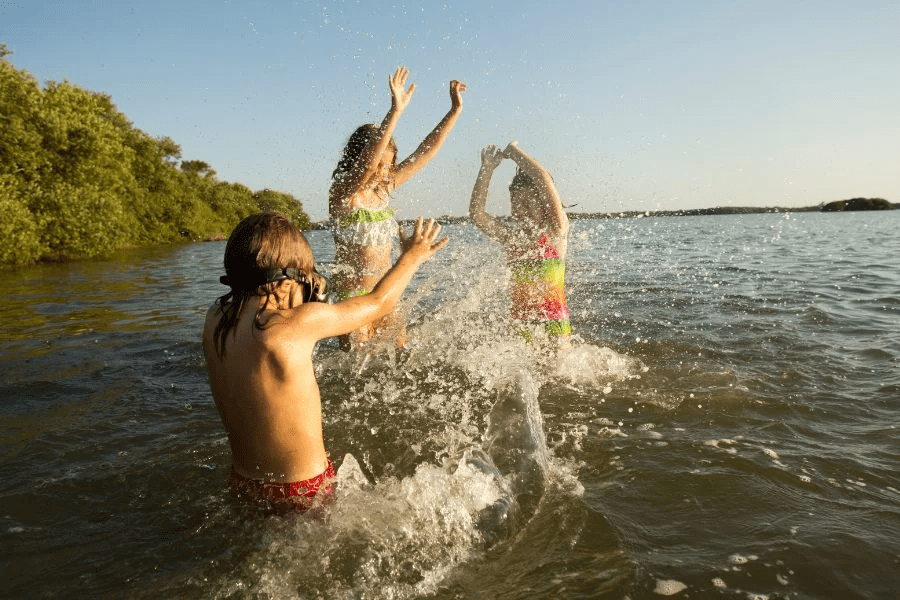
As the weather warms up and the summer holidays approach, jumping into a local river, lake, quarry, or reservoir can seem like the perfect way to cool down and have fun with...
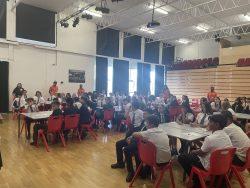
On Monday 6th July, our Year 7 students took part in a Raising Aspirations session delivered by the University of Hertfordshire. The session encouraged students to start thinking...
On Monday another 8 Mental Health Champions graduated from the training programme. Over the course of the last few weeks they have completed 6 training sessions learning about the...
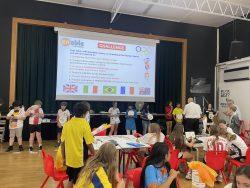
On Wednesday 8th July, our Year 7 students took part in the Olympic Day Challenge as part of our Enrichment Day programme. The event was delivered by Enable Hertfordshire and gave...

This week, our KS3 Cooking Club completed its final after-school session of the year by making delicious prawn, chicken and vegetable spring rolls. It was a fantastic way to...


On Tuesday 14th July we were invited to JCoSS, a Jewish School in Barnet to take part in an interactive “Change Makers” session. This was led by year 10 students at...

What a brilliant Enrichment Day we had last Wednesday in the Computer Science department! First up was Joshua, one of our own Year 10 Computer Science students, who ran a...
As the weather warms up and the summer holidays approach, jumping into a local river, lake, quarry, or reservoir can seem like the perfect way to cool down and have fun with friends.
However, open water hides serious dangers that even the strongest swimmers cannot predict. We want all of our students to enjoy their summer safely, so please take a few minutes as a family to read through this crucial safety guide.
This isn’t just about rules; it is about saving lives. We only have to look at the news over the recent heatwaves to see how devastatingly quickly things can go wrong.
During the spikes in hot weather, the UK saw a heartbreaking surge in water-related fatalities. Tragically, dozens of people lost their lives in open water—the majority of whom were teenagers and school-aged children just like the students at our school. High-profile incidents involved young people getting into difficulty in places like Pickmere Lake in Cheshire, the River Thames in Oxford, Swanholme Lakes in Lincoln, and Cowbury Reservoir in Stalybridge. Even during an organized Duke of Edinburgh expedition, an 18-year-old student tragically drowned in the River Wye.
The parents of these young people have issued urgent warnings to families, pleading with teenagers to understand that even when the air is scorching, the water is not safe.
It’s easy to assume that being able to swim lengths in a heated, supervised swimming pool means you’ll be fine in a river or lake. But open water is a completely different environment.
Cold Water Shock: This is what caught out so many of the young people in recent weeks. Even on a scorching 35°C day, the water temperature just below the surface can be icy cold (often below 15°C). Plunging in triggers an involuntary gasp reflex, causing you to inhale water, followed by rapid breathing, muscle failure, and panic. This can happen to excellent swimmers in seconds.
Hidden Hazards: You cannot see what is beneath the surface. Jagged rocks, broken glass, shopping trolleys, and discarded tangled fishing lines can trap or injure you.
Strong Currents: Rivers and even seemingly calm lakes or reservoirs can have powerful undercurrents that can easily sweep away the strongest swimmers.
No Lifeguards: Most open water spots are unpatrolled, meaning there is no one there to help if things go wrong.
If you fall into deep water or find yourself struggling, your instinct will be to swim hard and thrash around. Don’t. Fight your instinct and follow the RNLI’s Float to Live advice:
Tilt your head back with your ears submerged.
Relax and try to breathe normally.
Move your hands and legs gently if you need to, to help you stay afloat.
Spread your arms and legs out like a starfish to increase your buoyancy.
Once your breathing is under control, call for help or swim to safety.
Parents: Please practice talking through this technique with your children. Knowing to fight the urge to panic and thrash can genuinely save a life.
If a friend or family member gets into difficulty, do not jump in to save them. Many tragedies involve people drowning while trying to rescue others.
Call for Help Immediately: Dial 999 (or 112) and ask for the Coastguard (if at the coast) or the Fire and Rescue Service (if inland).
Location matters: Look for local landmarks, signs, or bridge numbers. You can also use apps like What3Words to give emergency services an exact location.
Look for Rescue Equipment: Check the waterside for lifebuoys, throw lines, or throw bags.
Stay on Land: Throw the rescue equipment to the person, or find a long stick or clothing to reach out to them from a safe distance on the bank.
If you or your teenager plan to swim outdoors this summer, please ensure it is done as safely as possible:
|
Do This |
Avoid This |
|
Use lifeguarded beaches or supervised outdoor eco-pools/lakes. |
Never swim alone or in unsupervised quarries/reservoirs. |
|
Check the weather and water conditions before you go. |
Never jump or “tombstone” from bridges, piers, or cliffs. |
|
Look out for safety signs at the venue. |
Never swim after consuming alcohol or large meals. |
Let’s make sure this summer is memorable for all the right reasons. Stay safe, look out for one another, and remember: Float to Live.