Geography
Geography comes to life
We set off from school at around 9:20am on Wednesday 12th October and arrived at Leeson house at around 12:40pm, which is where our accommodation was and where we slept over the 2...
Filter by Category
Filter by Author


We set off from school at around 9:20am on Wednesday 12th October and arrived at Leeson house at around 12:40pm, which is where our accommodation was and where we slept over the 2...

Day 1 On Thursday 7th October 2021, we travelled down to London King’s Cross – we met outside the station where we filled in a ‘Perspective Survey’ which was where we had to...

With the current restrictions fieldwork has been non-existent over the last year and a half. However, with restrictions easing we have started to plan and execute fieldwork around...

The Journey Continues in Geography Lessons across the subject continue to be engaging and interactive, in class or online. KS3 students in geography have been given the...
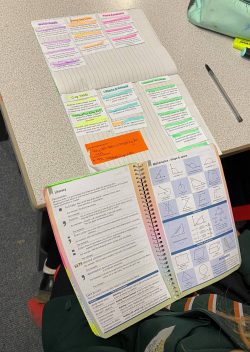
Year 8 students have been studying the impact of climate change on the environment and in their geography lesson earlier this week they completed a lengthy card sort exercise to...
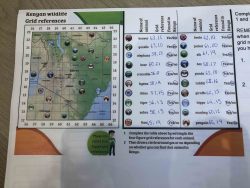
The geography department has been working incredibly hard to provide fun and engaging activities for all students to complete from home whilst still enriching them with...

It was great to observe the very focused students in Mr Mitchell’s A level geography lesson this week as they grappled with the complexities of erosional processes in the...

This half term in geography year 8 student have chosen a global issue they are interested in. They have been working hard in both lessons and at home to create presentations to...

It was great to visit a number of Year 11 lessons this week in Social Sciences and Humanities and see the Year 11 students really focusing on planning their key next steps...

As part of the GCSE Geography course, students are required to undertake two field work investigations away from the school site. Following on from our trip to Weymouth last year,...
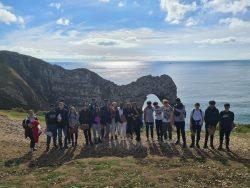
We set off from school at around 9:20am on Wednesday 12th October and arrived at Leeson house at around 12:40pm, which is where our accommodation was and where we slept over the 2 nights. On the first day we went to Studland beach to measure the retreat from the water caused by the sand dunes and our activity was measuring every 10 meters along the sand dunes to identify the angle change, soil moisture, soil pH, wind speed and what plants grew along the tops of the sand dunes. Before going back on the coach, we walked back along the beach and found “blowouts”, which is where the army blow-up old World War 2 bombs that used to be placed on the beach, they form open sandy spaces for people to go to, perhaps if the beach is to crowded, especially in summer. Then we had a lesson in the evening discussing what we found during the day.
On the second day (Thursday), in the morning we went down to Durdle Door and went on 2 of its beaches to do the same activity, which was first measuring how long the beach was from the end of the water to the base of the cliffs, then making notes of the angle change whenever the beach got more / less steep in gradient. We also on both beaches identified rock diameters (how long they were) and their shapes / sizes, so if they were rounded, sub rounded or angular. We finally went on a walk further down the coast to look at cliff / coastal formations and discussed what that area of coast might look like in 1000’s of years if erosion stayed at its current level. Again, we had a lesson in the evening discussing what we found during the day and made a box plot chart comparing the difference in the size of pebbles found on the 2 beaches at Durdle Door.
On the final day (Friday) in the morning we went down to Swanage beach and measured the width of the beach and the height of the man-made stumps, as they got closer into the water, then calculated the average height for all of them. We had a bit of free time around Swanage beach before collecting our bags at Leeson House and then went on the Coach, returning back to school.
Overall it was a very good field trip and very helpful and education to all of us and it greatly helped us get a better understanding on topics like coastal erosion and coastal land formations and I recommend future Year 11 Geography students do a similar trip in the future.
Tom Harverson Year 11


