Mental Health
Men’s Mental Health Month – June
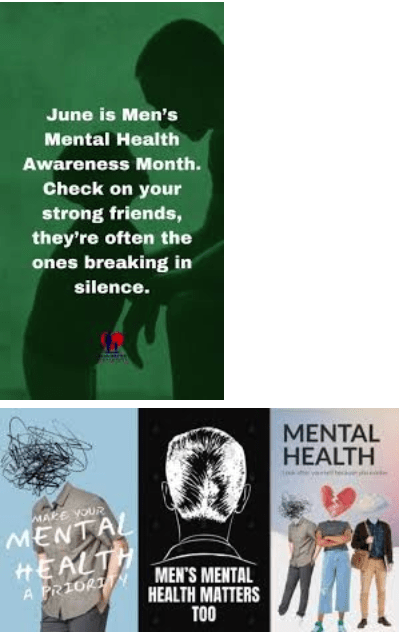
Breaking the Silence: Why June is Critical for Young Men’s Mental Health As June approaches, communities and schools worldwide are preparing to mark Men’s Mental Health Month....
Filter by Category
Filter by Author



Breaking the Silence: Why June is Critical for Young Men’s Mental Health As June approaches, communities and schools worldwide are preparing to mark Men’s Mental Health Month....

This week’s Year 13 Student of the Week is Joshua H (13S), recognised for being a positive role model. He is an exemplary student who is always respectful and punctual. Well done,...
12 Sycamore Gabriella Chadwick For always having a positive attitude, participating well in our CDC activities, and being an exceptional prefect.

The KS3 STEM club are creating imaginary creatures by combining features of a mammal, a starfish, and a bird. They first designed their creations using the 3D design program...

Assistant Headteacher Mr Mitman reminded all students this week of the preciousness of time. In his main school assemblies he stated that time is almost priceless as, once it has...

Love films? Looking for a fun way to spend lunchtime? Starting on Wednesday 3rd June, the new KS3 MFL Film Club will be meeting every Wednesday from 1:25–2:00pm in Room A9. Enjoy...

This term, a number of our Year 7 students have proudly begun their roles as BMS Buddies, supporting primary pupils during our transition events. The programme gives students the...

This week, Year 12 Business students have been researching and presenting the different factors that impact globalisation. Students were asked to research a chosen factor and...

Nathan – Environmental Engineering “I really enjoyed my time at BMS, and it played a key role in shaping my interest in choosing to study Environmental Science at...

It has been an incredibly busy and vibrant term in the Music Department, and we couldn’t be prouder of our students. From lunch-time rehearsals to prestigious London concert...
Breaking the Silence: Why June is Critical for Young Men’s Mental Health
As June approaches, communities and schools worldwide are preparing to mark Men’s Mental Health Month. While conversations around mental wellbeing have grown louder in recent years, one demographic still frequently suffers in silence: teenage boys.
The pressure to “man up” or appear stoic remains a powerful barrier for young men. This June, the focus is squarely on shattering those old stereotypes, recognising the unique struggles teenage boys face, and ensuring they know they never have to carry the weight alone.
Mental health challenges among young men are far more common than many realize, yet they are significantly underreported. Statistics paint a stark picture of the quiet crisis affecting teenage boys:
The Silent Struggle: Research indicates that roughly 1 in 8 young men experience a common mental health disorder, such as anxiety or depression, before reaching adulthood.
Under the Radar: Girls are statistically more likely to be diagnosed with depression; however, experts note this is often because boys express distress differently, leading to underdiagnosis.
The Ultimate Risk: Globally, suicide is the second leading cause of death among young people aged 15–29, and young men are disproportionately affected, accounting for the vast majority of these tragic outcomes.
Teenage boys rarely use words like “sad” or “anxious” when they are struggling. Instead, their mental health distress often manifests behaviorally. Keep an eye out for these key warning signs in friends, sons, or classmates:
Irritability and Anger: Instead of crying, struggling boys often display a low tolerance for frustration, sudden outbursts, or persistent aggression.
Social Withdrawal: Dropping out of sports teams, skipping social hangouts, or spending excessive amounts of time isolated in their rooms.
Loss of Interest: A sudden apathy toward hobbies, gaming, or school subjects they used to love.
Changes in Sleep or Appetite: Sleeping constantly, struggling with insomnia, or drastic shifts in eating habits.
Risk-Taking Behavior: An increase in reckless driving, substance misuse, or engaging in physical fights.
If you are a young man navigating tough times, or if you want to support one, practicing proactive mental fitness is key. Here are effective strategies to implement:
Reframe “Strength”: True strength isn’t about bottling things up; it’s about having the courage to speak up. Talking to a trusted friend, coach, teacher, or parent is the first step to feeling better.
Move Your Body: Physical activity releases endorphins, which act as natural stress relievers. Even a 20-minute walk, a gym session, or shooting hoops can clear a crowded mind.
Take a Digital Break: Constant comparison on social media can fuel anxiety and low self-esteem. Step away from the screen to ground yourself in the real world.
Establish a Routine: When everything feels chaotic, simple anchors—like a consistent bedtime, regular meals, and small daily goals—can provide a sense of control.
No one has to go through a dark time alone. If you or a young man you know needs help, reach out to these dedicated, confidential resources:
YoungMinds: A leading charity fighting for young people’s mental health. (Text YM to 85258 for 24/7 crisis support).
The CALM Zone (Campaign Against Living Miserably): A charity dedicated to preventing male suicide, offering a webchat and helpline.
Childline: A free, private, and confidential service for anyone under 19. (Call 0800 1111).
Shout: A 24/7 free text service for anyone in a crisis. (Text SHOUT to 85258).
A message to all young men this June: Asking for help isn’t a sign of weakness—it is the smartest, bravest thing you can do for your future. Let’s start talking.