Coping with exam pressure – a guide for students
How to feel more confident about exams What are negative beliefs? Many people with high exam anxiety can’t stop worrying about failing or the consequences of failing. For...
Filter by Category
Filter by Author
How to feel more confident about exams What are negative beliefs? Many people with high exam anxiety can’t stop worrying about failing or the consequences of failing. For...
Posted by Mo Abusef
On Monday of this week Head of Faculty for Science Ms Booth led the ‘Monday Magic Moment’ and reminded colleagues of the importance of developing excellent memory...
Posted by Jeremy Turner
Dear Parent/Carer, Re: Summer Exams 2023 Contingency Dates The awarding bodies have collectively agreed a contingency day for several years now which is always scheduled at the...
Posted by Mo Abusef
I am pleased to report that our KS4 and KS5 students have successfully completed their PPEs (Pre-Public Exams) in the last two weeks and have performed exceptionally well in terms...
Posted by Mo Abusef
Year 11s have begun their two week pre-public exam experience, marking the start of their journey. Destination: success! All students have taken the experience incredibly...
Posted by Stephanie Knowles
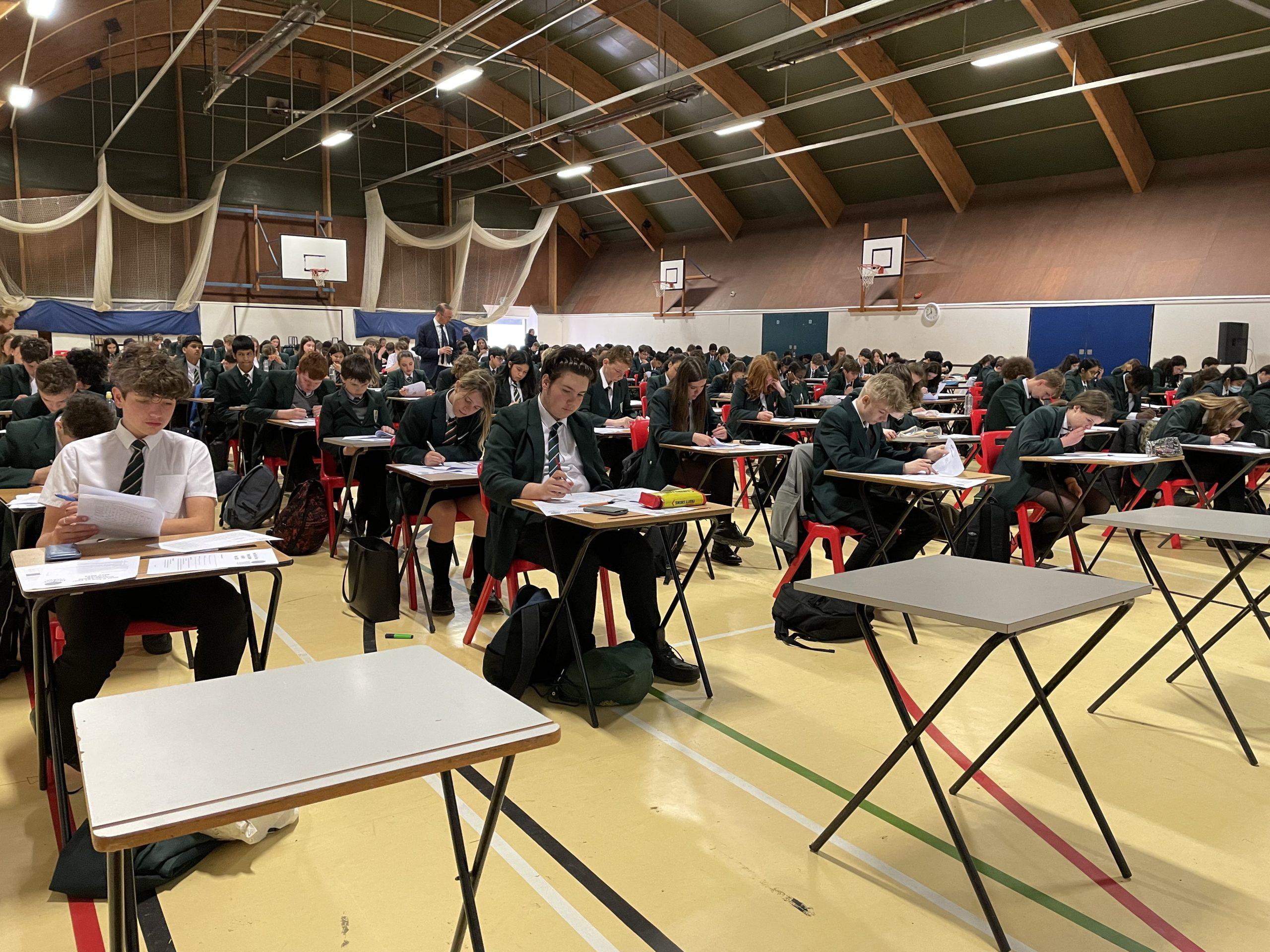
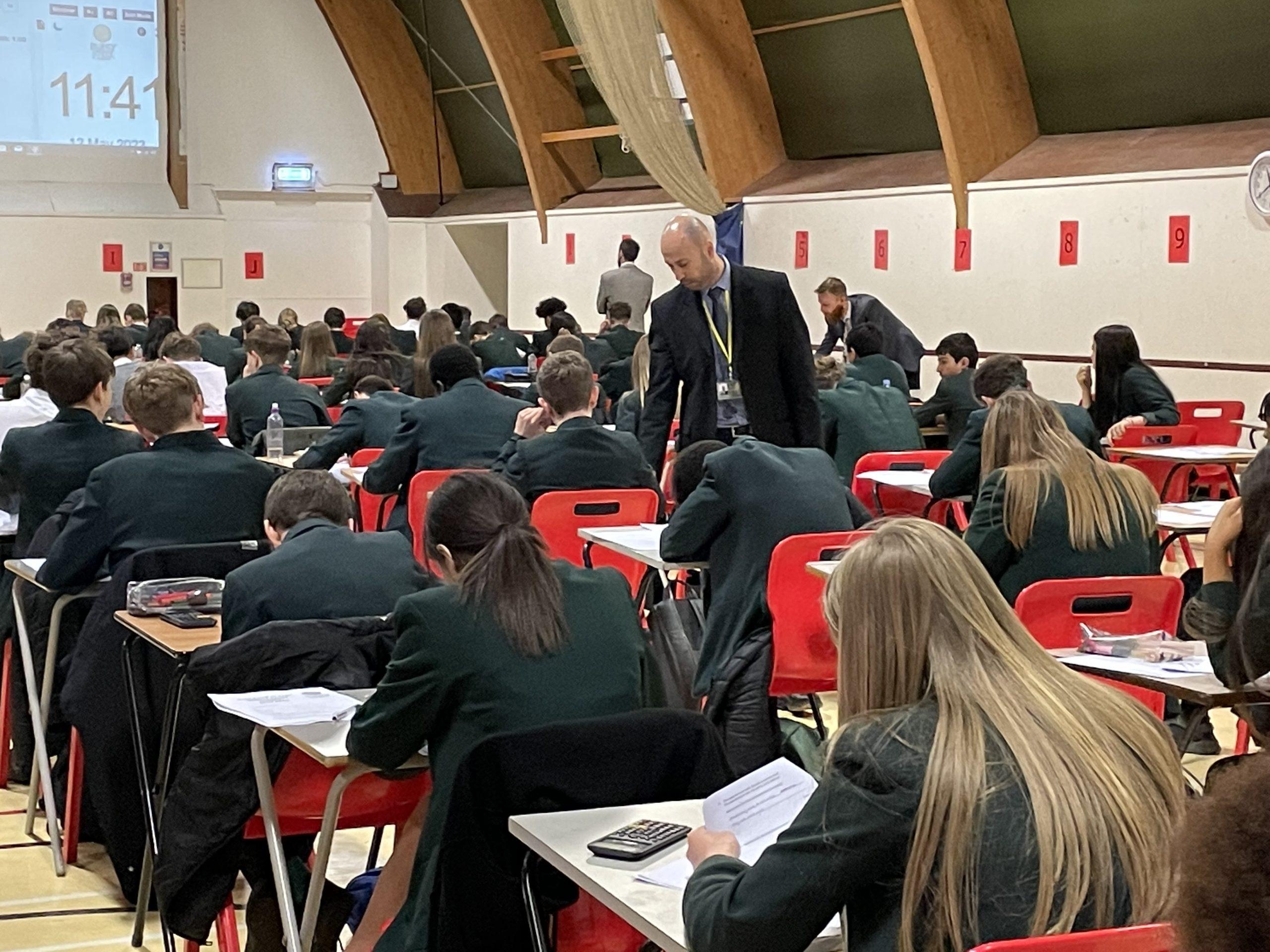
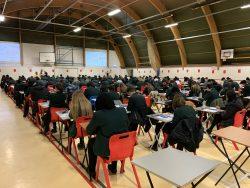
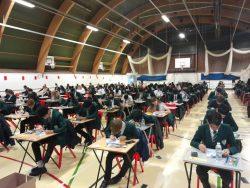
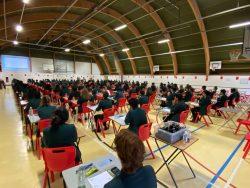
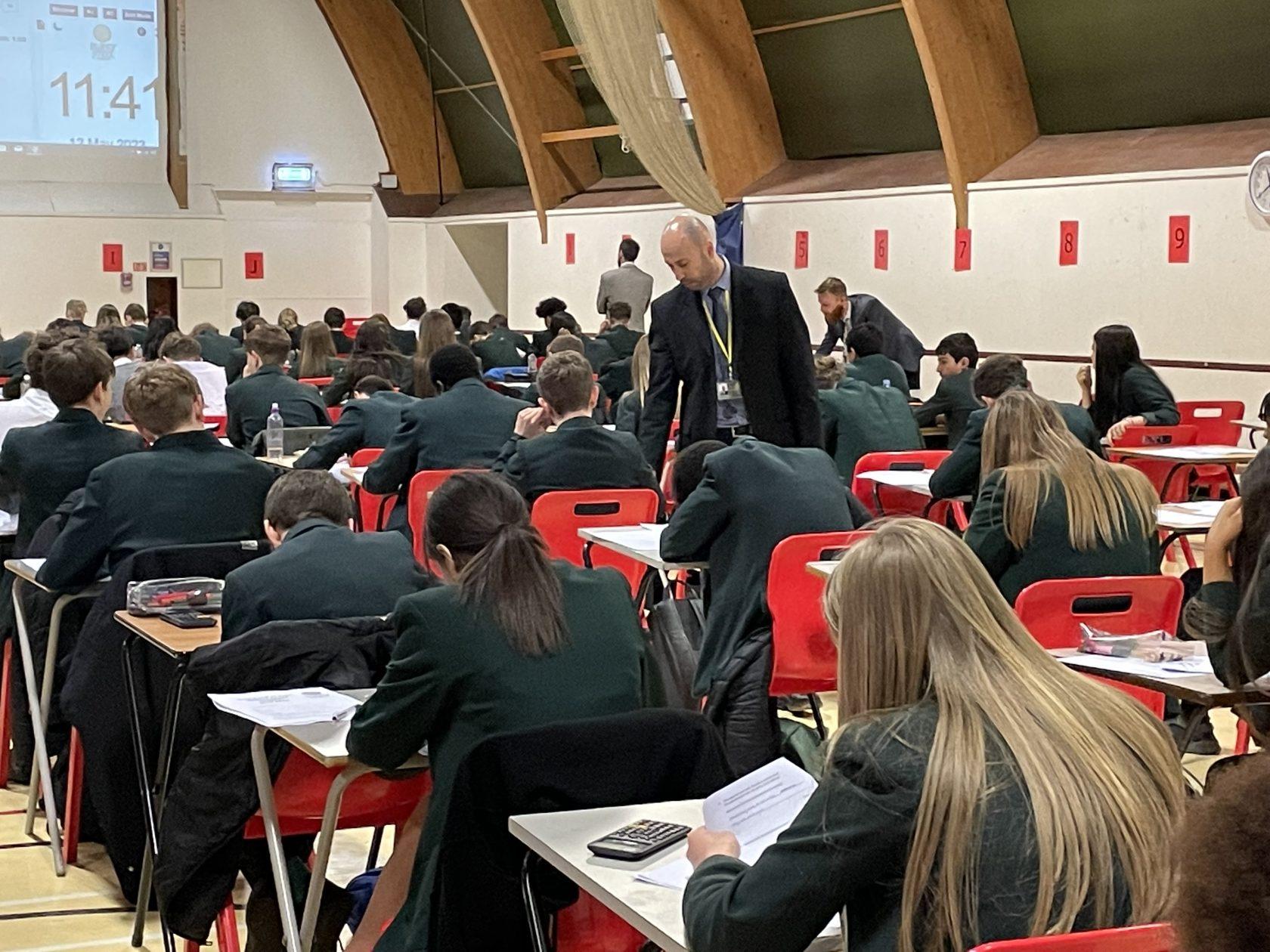
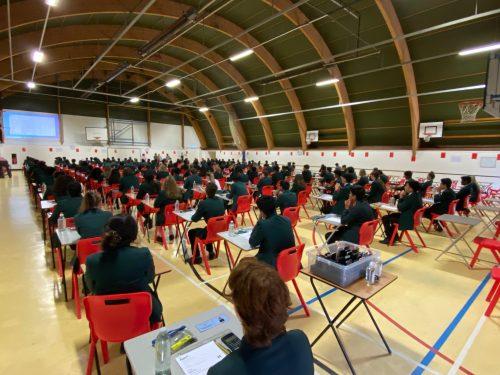
It was a good sight to see on Tuesday morning this week – our first whole cohort examination being Biology GCSE with all Year 11s and a number of Year 13 students sitting a...
Posted by Jeremy Turner
This week saw our year 7 students engaging in online tests. The purpose of these tests is to ensure that all students are in the appropriate sets for each of their core subjects....
Posted by Claire Till
On the afternoon of Thursday 9th January, all Year 11 students with their Character Development Coaches gathered in the Main Hall, eagerly waiting to find out the results from the...
Posted by Suresh Varsani
Arrangements for Collecting Exam Results Years 11-13 will all be excited and anticipating the moment where they can open their results following their hard work this year....
Posted by Sara Ash - Deputy Headteacher
With most of our hardworking and dedicated Year 11 students completing their final GCSE exam last Friday there were lots of hugs, handshakes and smiles as they came out of the...
Posted by Jeremy Turner
Many people with high exam anxiety can’t stop worrying about failing or the consequences of failing. For instance, ‘If I fail my GCSEs my whole life will be a failure’. These types of beliefs focus on what you can’t do rather than what you can.

Find a positive, realistic belief that can replace the negative belief. For instance, if your negative belief is ‘I am rubbish at maths’ a positive, realistic alternative could be: ‘Even if I will never be the best at maths, I will do better if I have a revision plan and stick to it’.
The key things to remember are that:

For many students, starting revision is the biggest hurdle to overcome.
One of the most effective ways to build confidence about taking exams, overcome any nervousness about starting revision, and manage any worry about taking exams, is to structure revision.
A good way to manage this is to:
Create a plan: break down everything you need to revise into small topics and just revise one topic at a time. By creating a plan you are taking control
Set targets: identify when you are going to revise each topic. Give yourself a time limit for when to complete each topic
Check progress: check your progress and set yourself a new time limit if necessary. Once you’ve met a target, set yourself a new one
A way you can approach revision of a specific topic is to structure it in 4 stages. Stage 1 is to set a specific target for what you want to revise and when. Make it manageable and don’t try to do too much. Stage 2 is to revise the topic you specified at the time you planned to revise it. Stage 3 is then to test your revision. This could be immediately after your revision, later in the day, or the next day. You could test yourself by simply practising an exam question. Stage 4 is to review your target. If you met it, then set yourself a new target (Stage 1) and start the cycle of revision again.
It will be important to look at the same topic more than once to make sure your comprehension is good. If you struggle with the topic a second time, try to work out why that is. Were you distracted and finding it difficult to concentrate or have you identified part of a topic you don’t quite understand as well?
Of course these are suggestions for ways to practise revision and there are certainly other ways, so if you have found a good way that works for you, stick with it. The thing to take from this is that planning ahead can help to manage any concerns you might have about revising.
The key things to remember are that:
People react to stress in different ways. Stress can be a great motivator for some students, giving them the ‘get up and go’ that they need to succeed. Other students are indifferent to stress; they can float along without getting affected by stress in a good or bad way. Stress can be a bad thing for some students, when exam pressures become overwhelming.
The key things to remember are that:

The key things to remember are that:

When you become anxious your breathing becomes shallow and fast. Breathing slowly and deeply will help you calm down and feel in control.
The key things to remember are that:
Over the last few weeks our hardworking Year 11 and Sixth Form students have been extremely busy taking their final GCSE and A level examinations. Again this year staff at Bushey...
It was a good sight to see on Tuesday morning this week – our first whole cohort examination being Biology GCSE with all Year 11s and a number of Year 13 students sitting a...