Half-Term Hopes
Half-Term Hopes and House Highlights
As students return from the February half-term, the school is alive with renewed energy and excitement. At the heart of this buzz is the house system – Ash, Beech, Elm,...
Filter by Category
Filter by Author


As students return from the February half-term, the school is alive with renewed energy and excitement. At the heart of this buzz is the house system – Ash, Beech, Elm,...
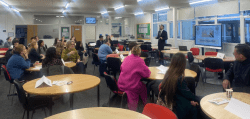
Before half term, our Year 11 and Year 13 students and their families gathered for our “Time to Shine” workshop designed to bridge the gap between hard work and the...
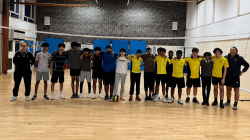
Our fantastic Alumni students came back to assist the PE team a couple of weeks ago in a game of volleyball. It was great that Vysnavan, Cameron and Amaan were able to give up...
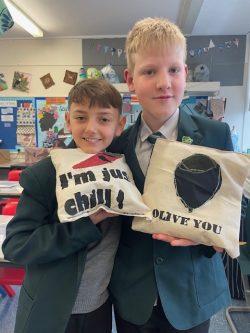
I am absolutely thrilled to share the latest creations coming out of our Textiles room. This term, the classroom has been a total hive of activity, and the students have really...

PE Health and Health Faculty News (25th February 2026) NEWS Mr Cartledge Head of PE and Health FOOTBALL Year 11A Boys v RIDGEWAY (County Plate Quarter- Final) AWAY Mr Harris Date...
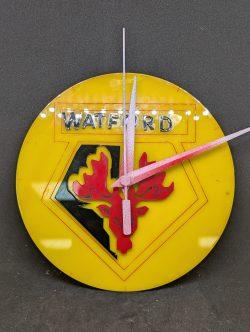
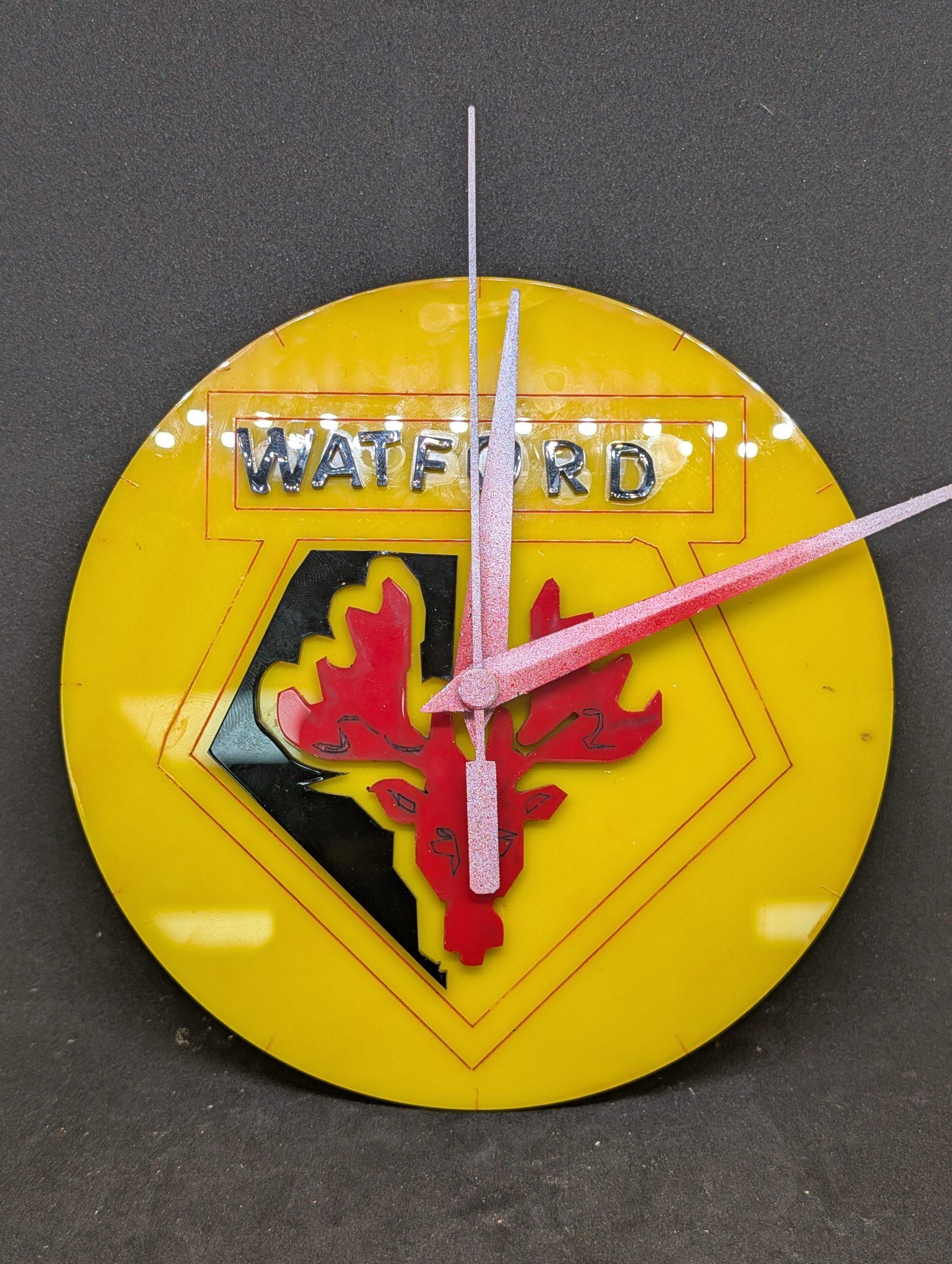
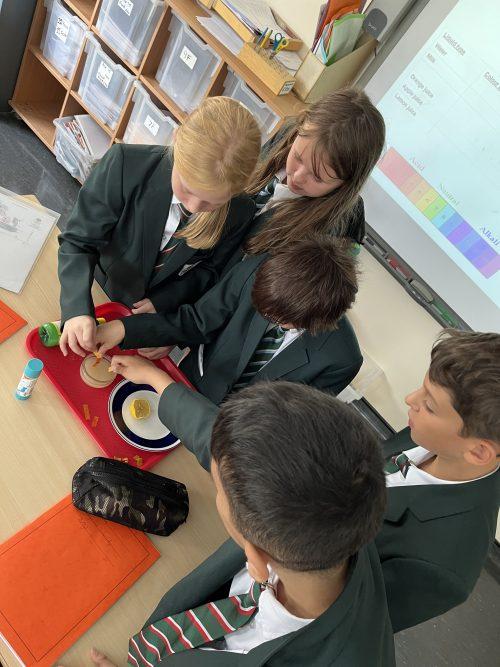
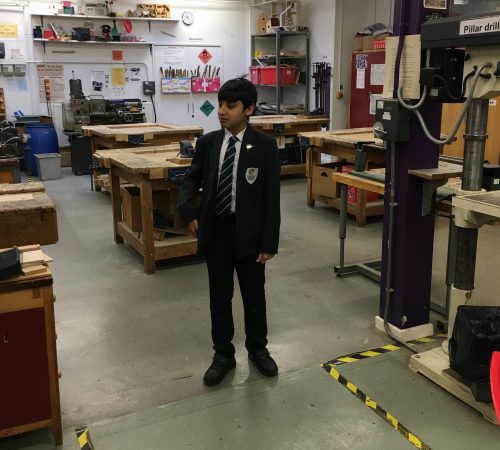
It has been an incredibly industrious term in the Design & Technology workshops. Our Year 8 students have stepped up to the challenge of sustainable manufacturing, moving from...

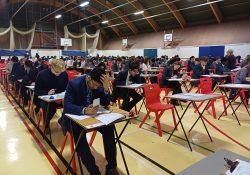
This Wednesday our Year 11, 12 and 13 students started their PPEs (Pre-Public Exams) which will run until Friday 6th March. The PPEs are an important step in getting ready for the...

12ASH nomination Malik Abukar For leading his group well in Vertical Tutoring fortnight and successfully winning the ASH House nomination. Malik was a positive role...
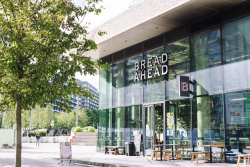
Calling all Year 8 French students! We are delighted to announce an exciting upcoming opportunity — a visit to the renowned Bread Ahead Bakery School in Wembley for a hands-on...
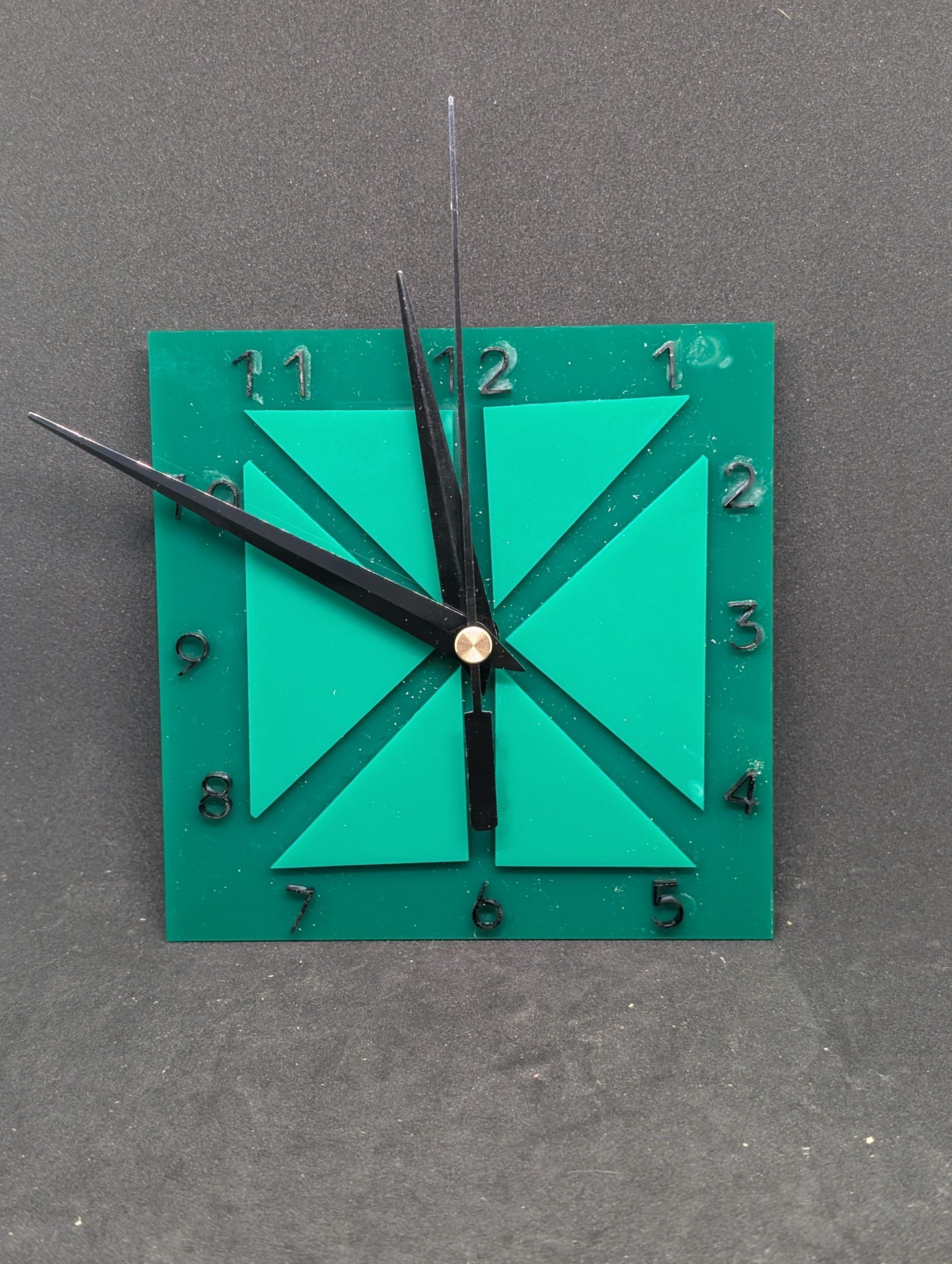
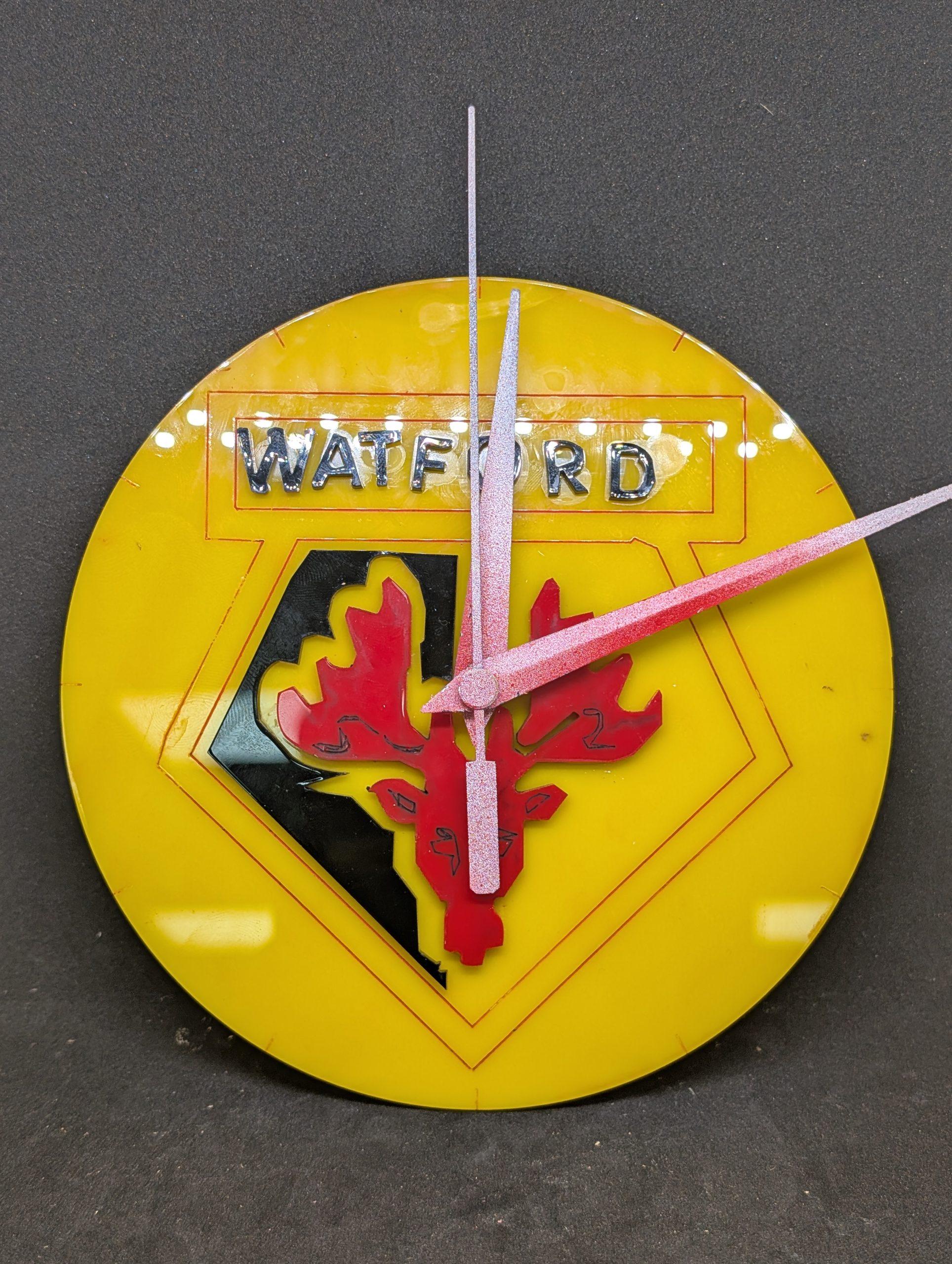
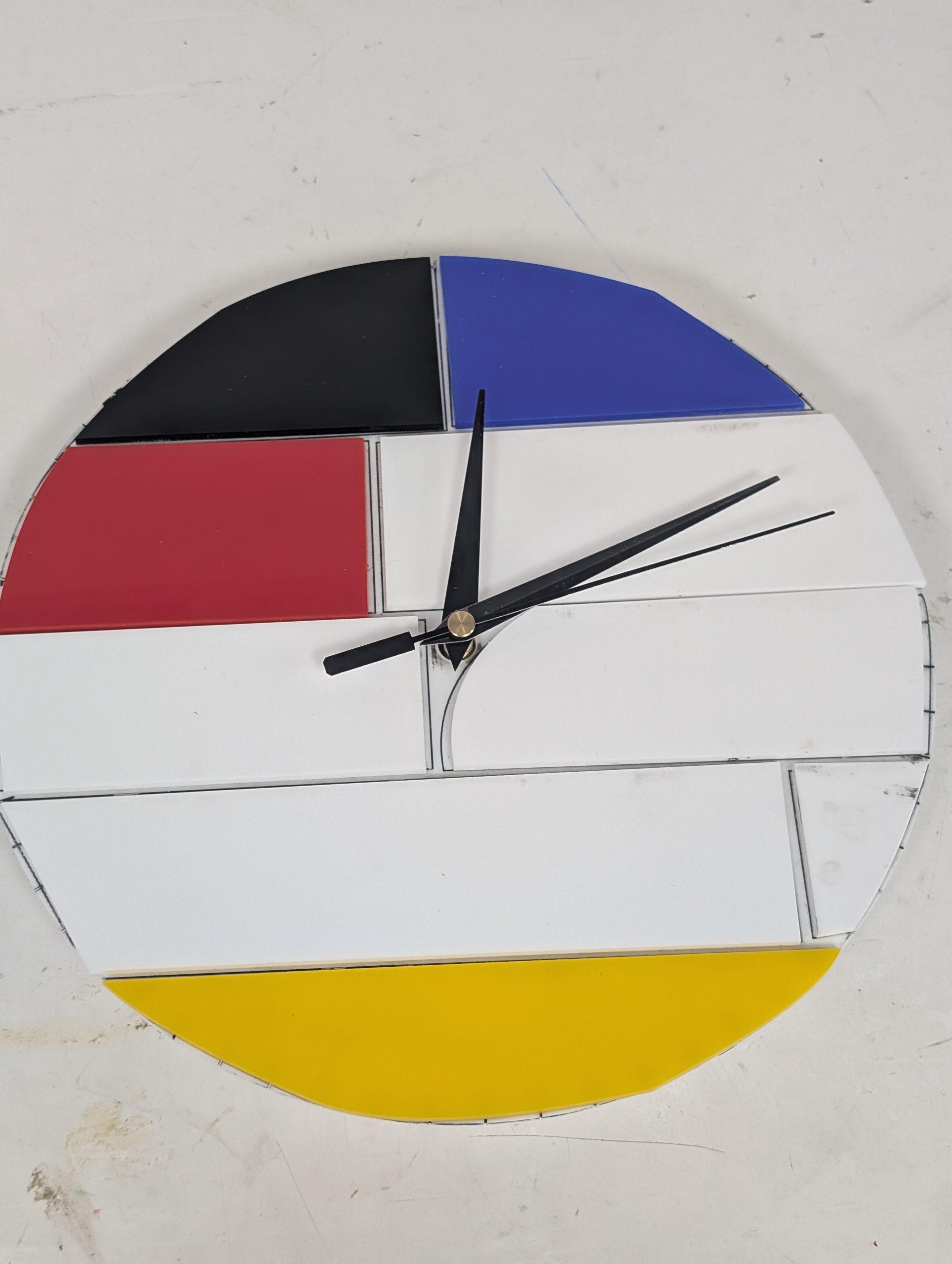
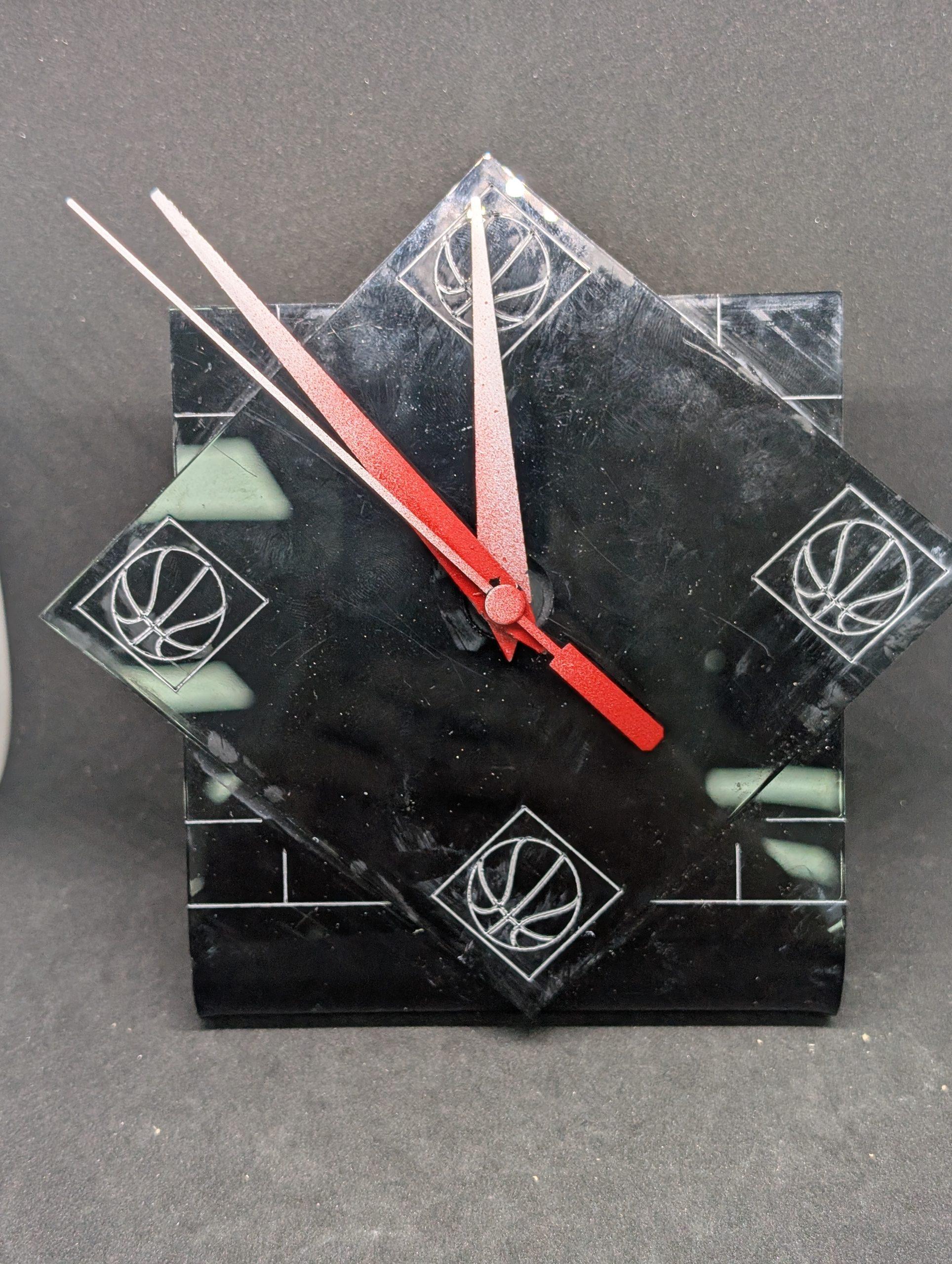
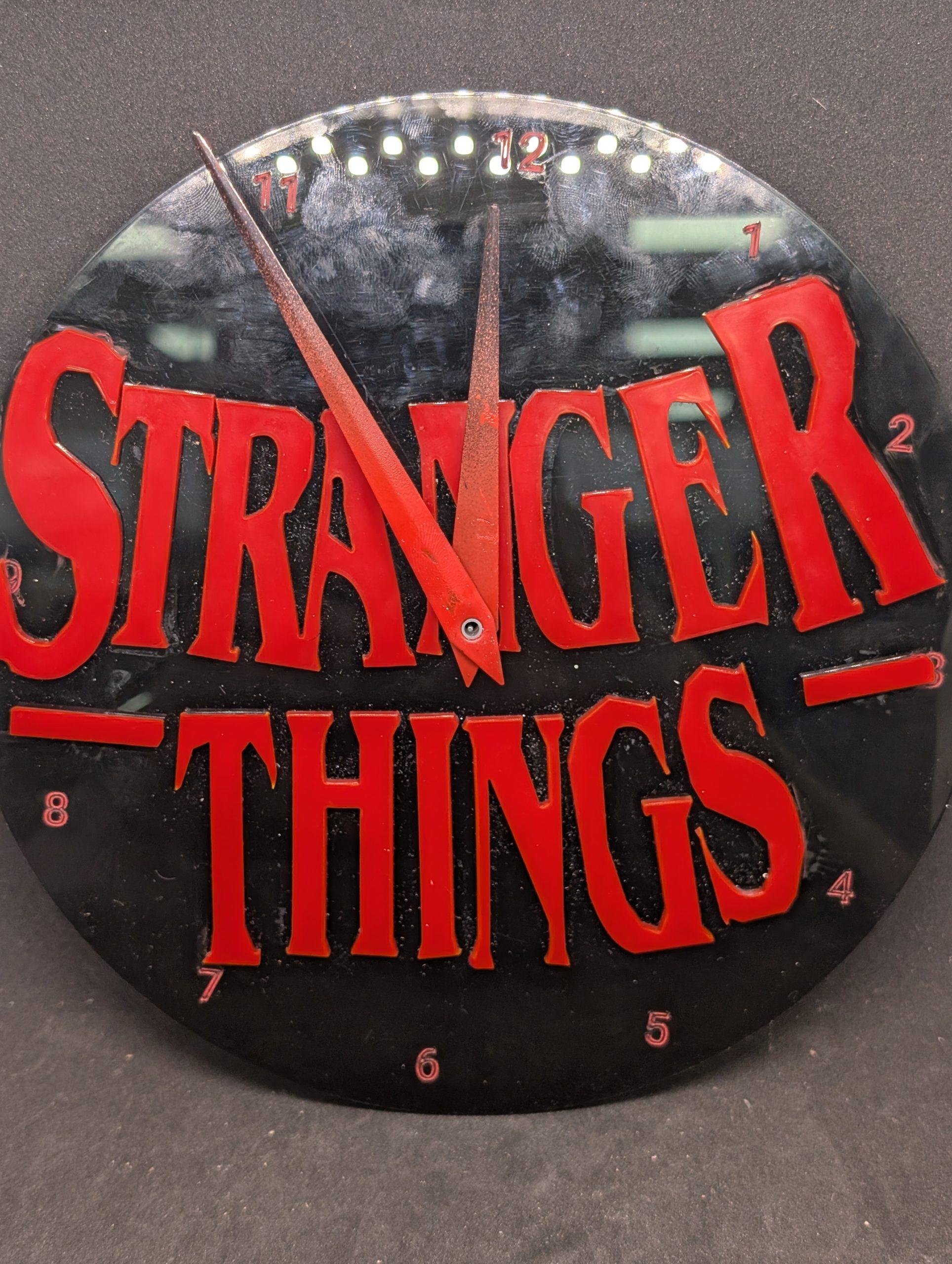
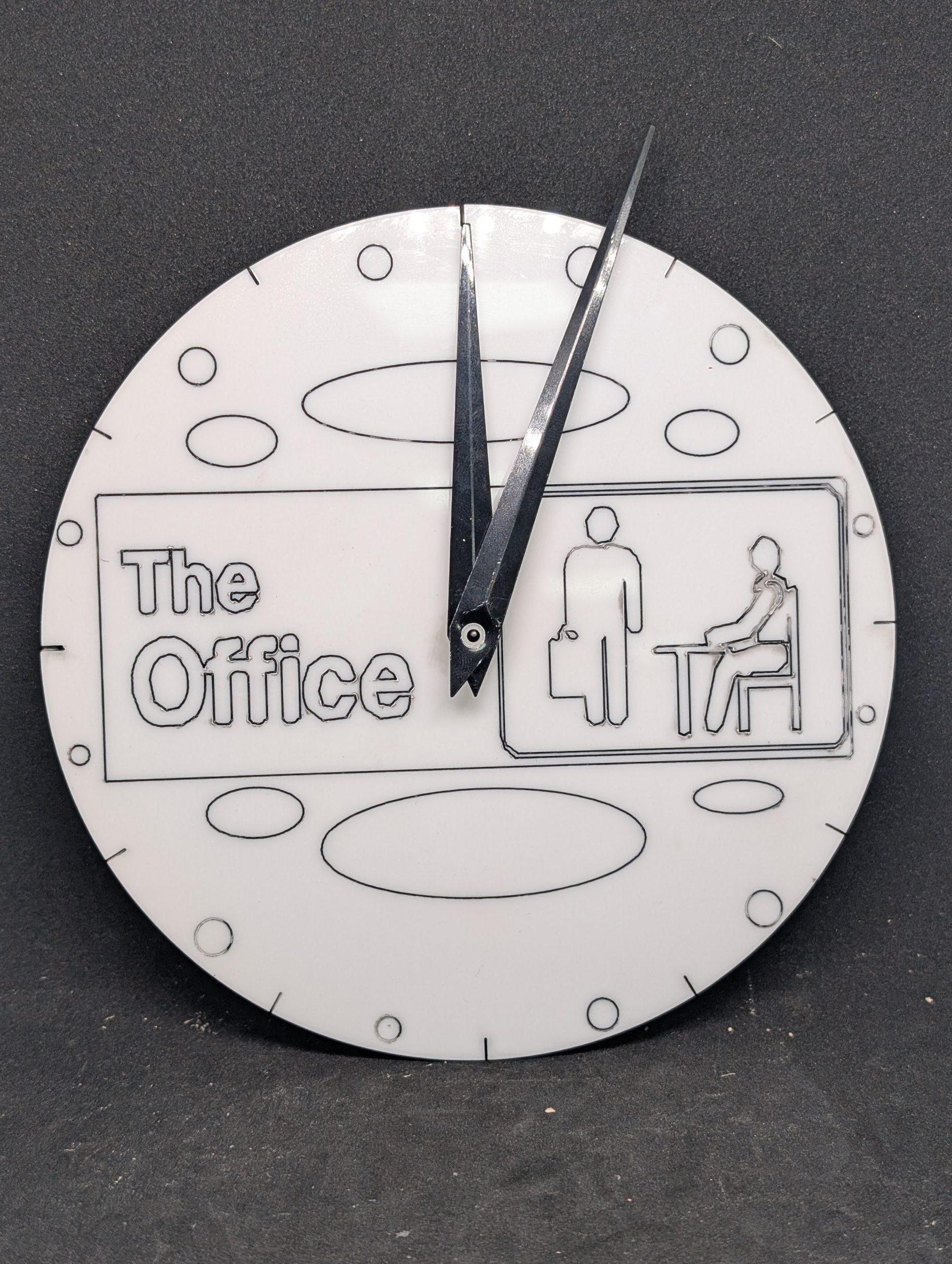
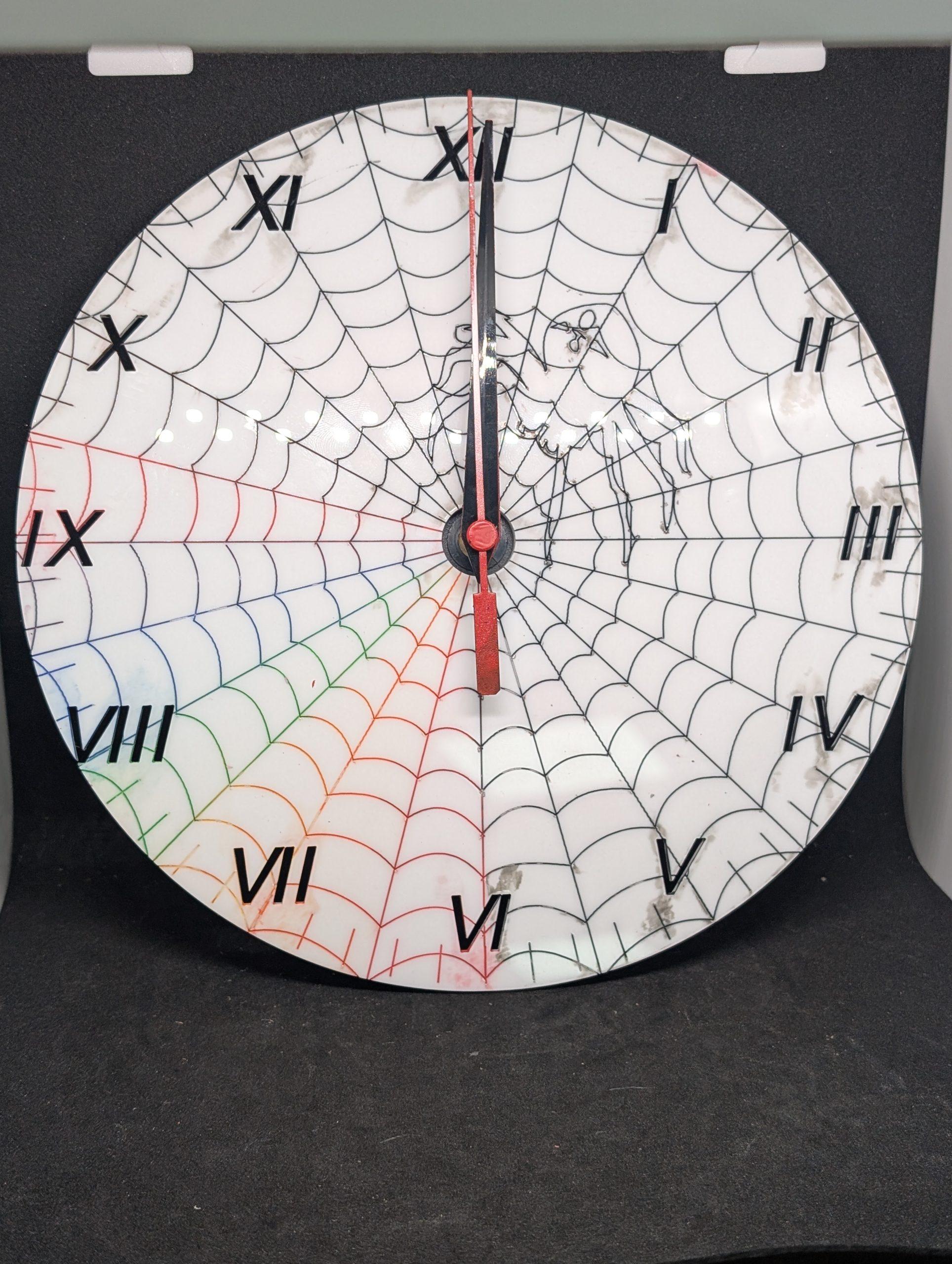
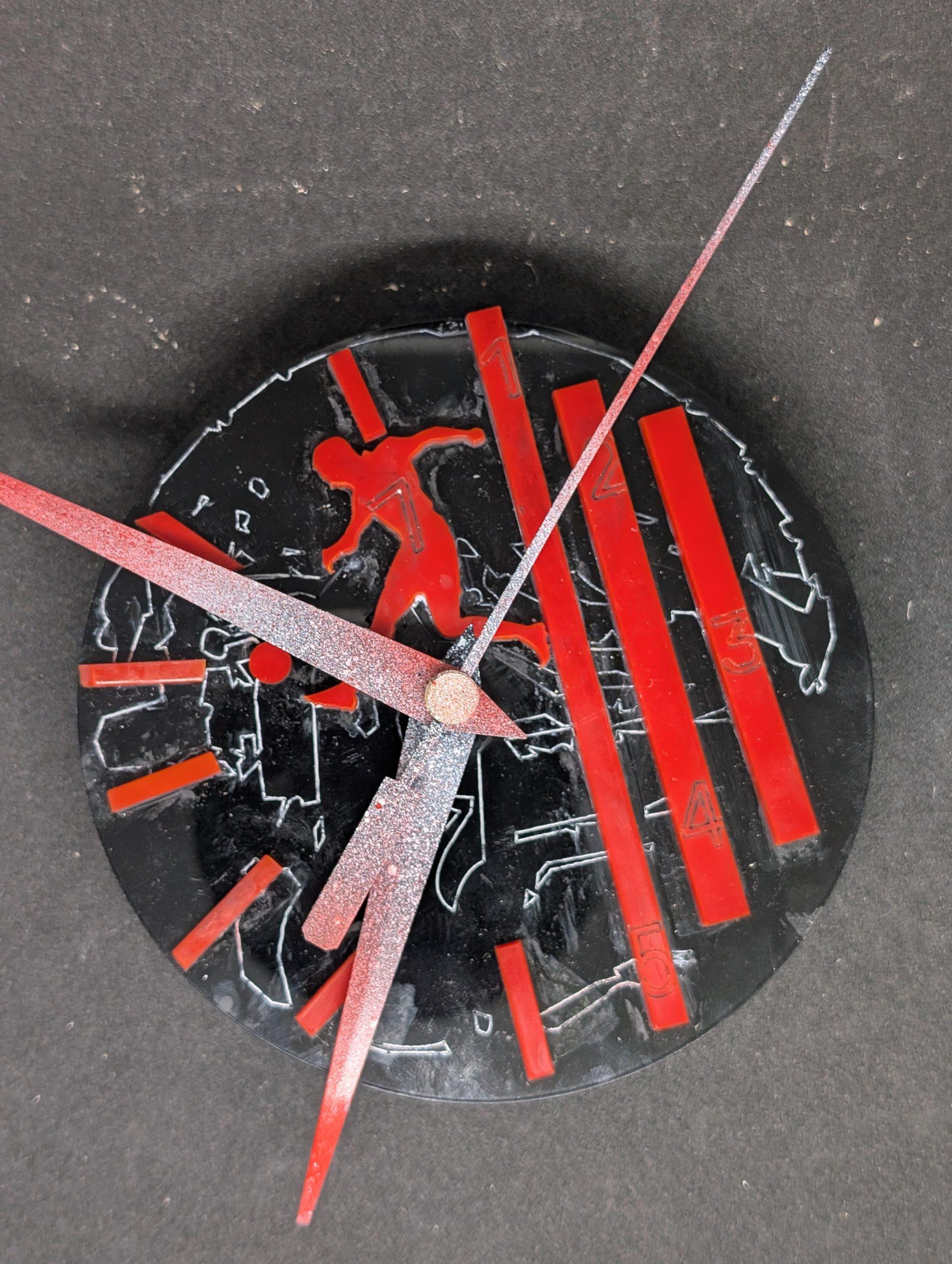
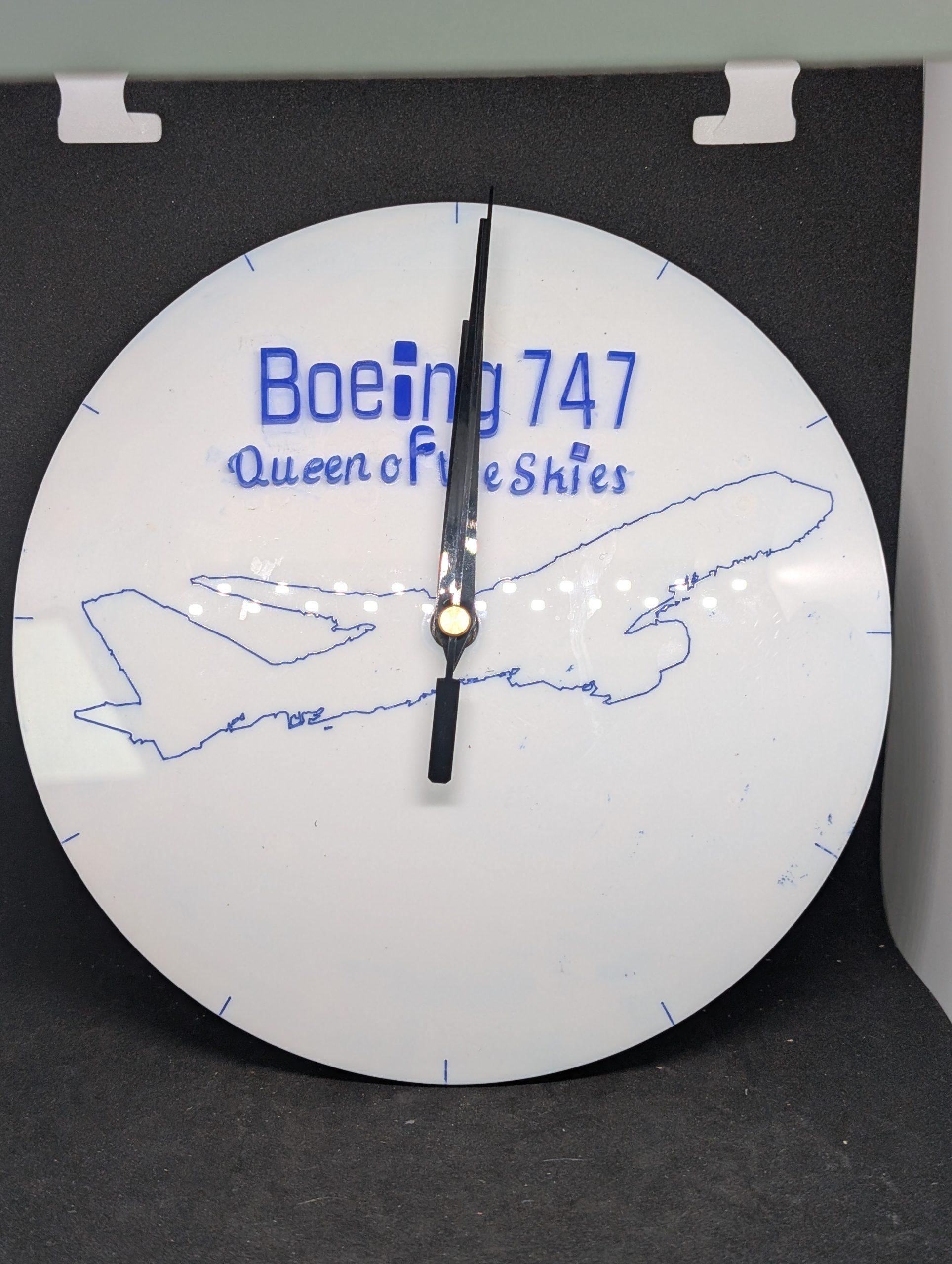
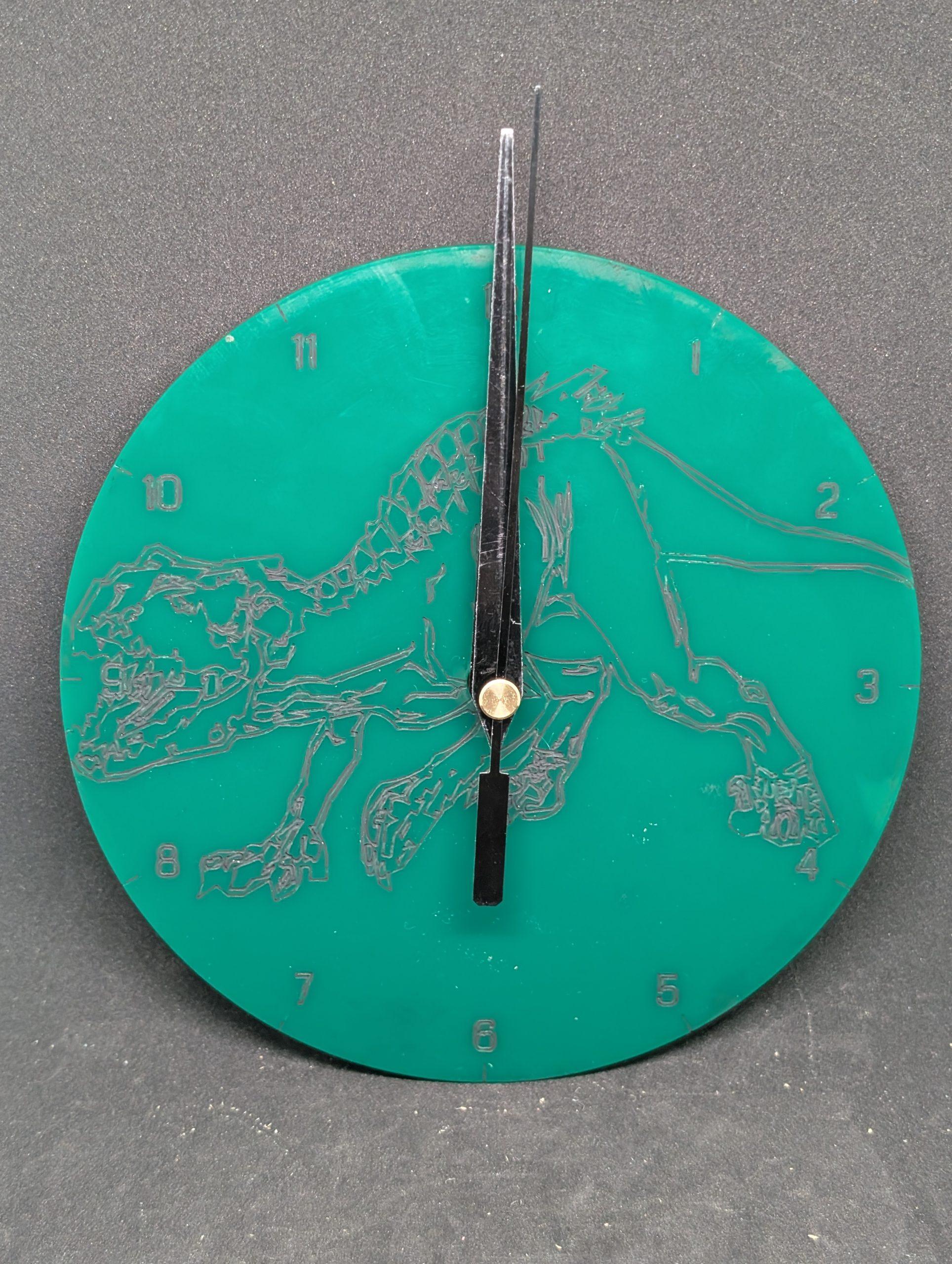
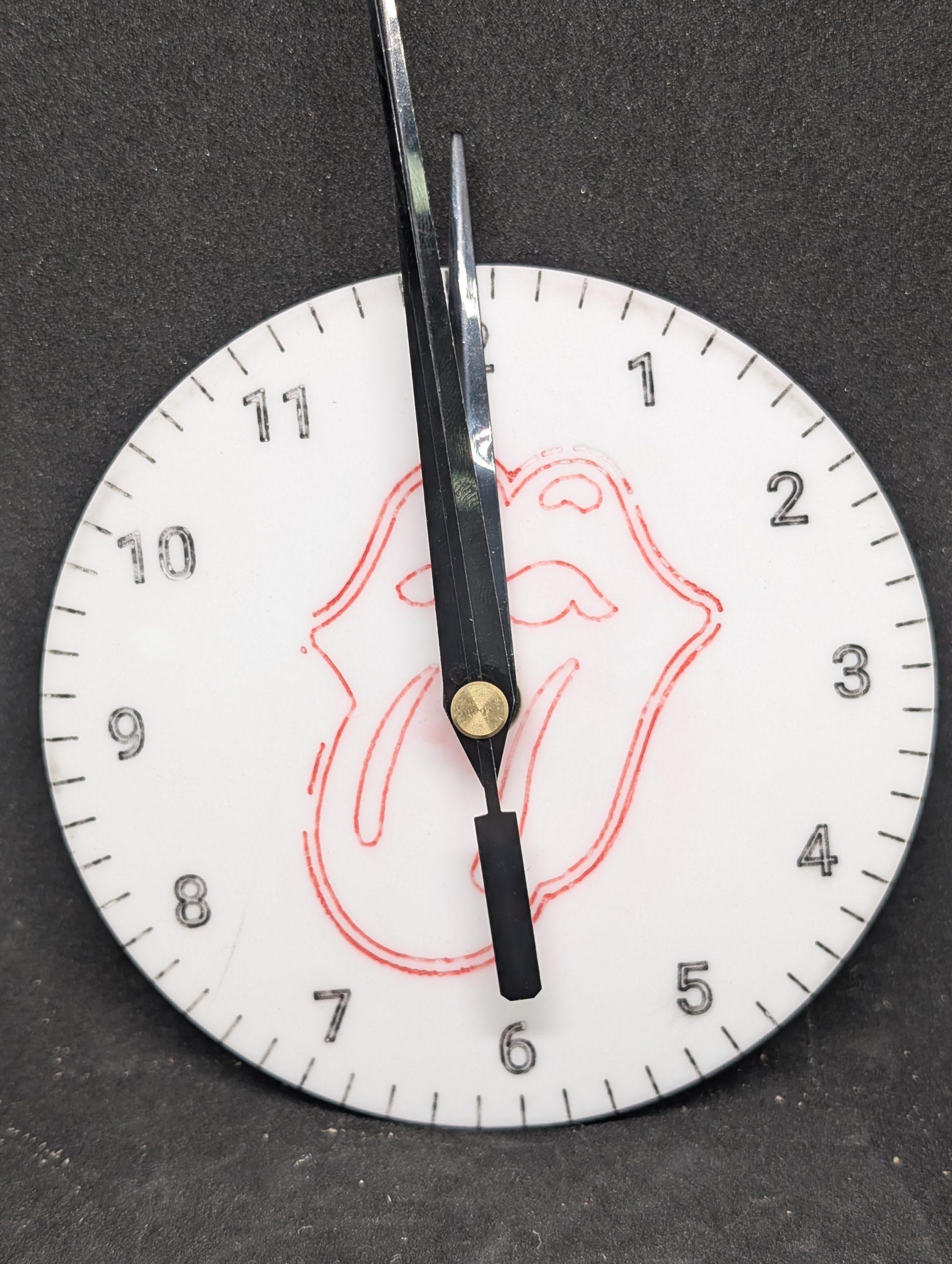
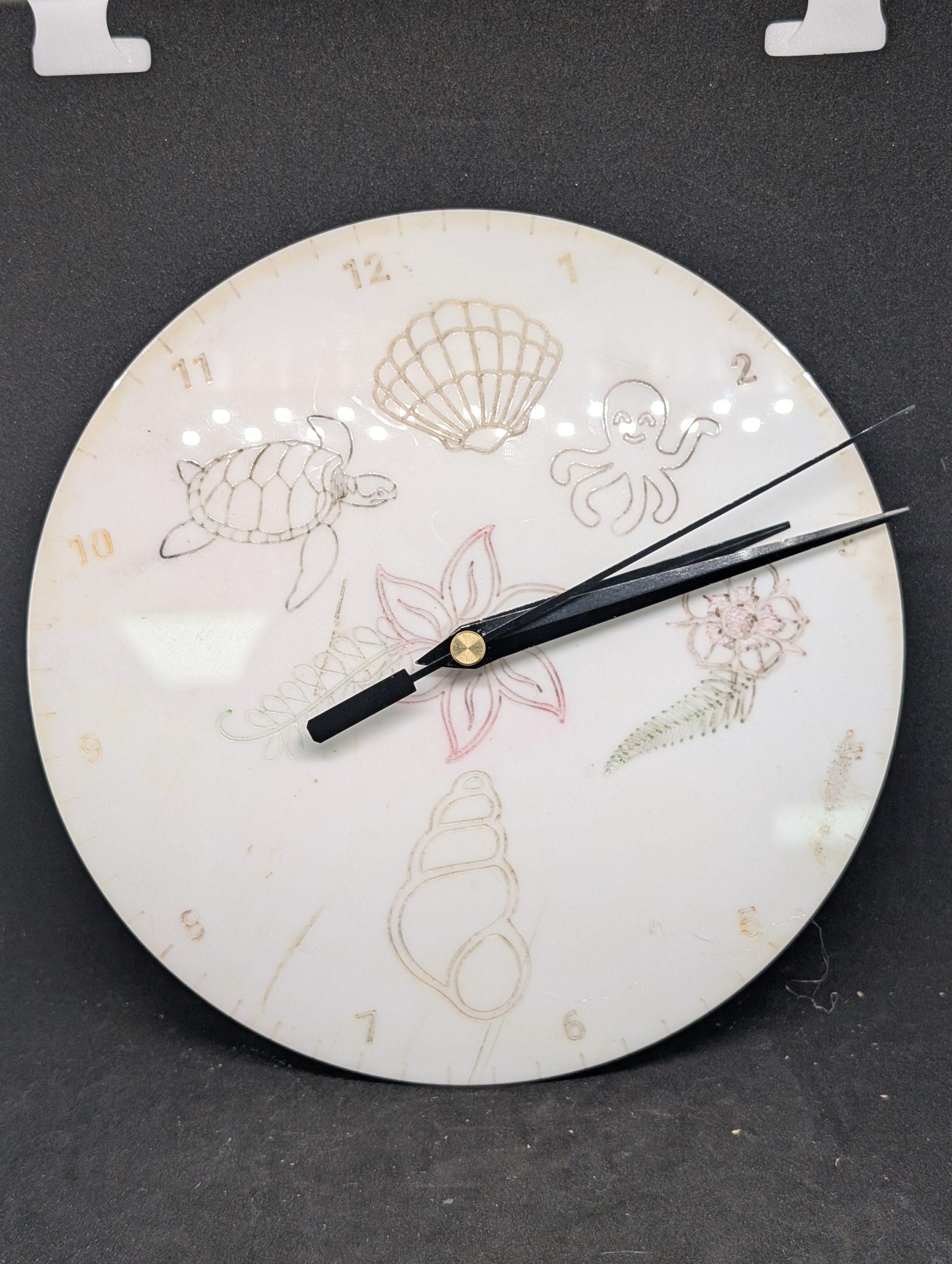
It has been an incredibly industrious term in the Design & Technology workshops. Our Year 8 students have stepped up to the challenge of sustainable manufacturing, moving from theory to high-end finished products that wouldn’t look out of place on a retail shelf.
We kicked off the term by diving deep into the world of polymers. Understanding where plastics come from is one thing, but seeing them as a circular resource is another. Our young designers got stuck in with two hands-on “mini-make” tasks:
The HIPS Phone Stand: Using High Impact Polystyrene (HIPS) manufactured right here in school from recycled sources, students learned how to shape and finish this versatile material using a heat line bender.
The Panini Press Experiment: In a brilliant display of domestic-meets-industrial tech, students shredded post-consumer bottle lids, melted them in a panini press to create colorful “plastic marble” sheets, and hand-cut them into unique keyrings.
With a solid understanding of material properties, the main brief was set: The Design Movement Clock. Students were tasked with researching an influential design movement from the last century,ranging from the geometric discipline of Art Deco and the “less is more” philosophy of Bauhaus, to the vibrant, rebellious energy of Pop Art.
Before touching any expensive materials, students tested their ideas through cardboard modeling. This iterative process allowed them to test proportions and assembly methods, ensuring their final concepts were structurally sound.
Moving from the workbench to the computers, students translated their paper sketches into the digital realm using Focus 2D Design. This computer aided design (CAD) drawing package allowed them to refine their geometries with mathematical precision.
Finally, these digital files were sent to the laser cutter. Watching their designs being engraved and cut with accuracy was a highlight for many, bridging the gap between traditional craft and modern CAD/CAM industry standards.
The final outcomes are nothing short of imaginative. We have clocks that pay homage to the Memphis Group’s bold patterns alongside sleek, minimalist pieces inspired by Mid-Century Modernism. Most importantly, these clocks are now heading home, ready to keep time on bedroom walls for years to come.
Well done, Year 8—you’ve shown that with a bit of creativity, “waste” is just a material waiting for a better idea.