Youth Workers
Youth Workers Visit at Lunchtime
Last week, youth workers from Services for Young People visited Bushey Meads School during lunchtime to talk with students about the exciting opportunities available in local...
Filter by Category
Filter by Author


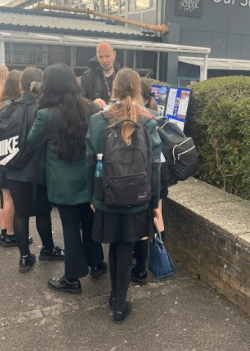
Last week, youth workers from Services for Young People visited Bushey Meads School during lunchtime to talk with students about the exciting opportunities available in local...

As part of their enrichment programme, our Year 12 students spent a fascinating day in London on Thursday 6th November visiting some of the city’s most renowned museums. The trip...
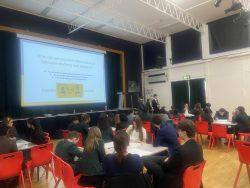
We were able to have our very first Student Parliament of the Year where all Houses were able to come together and discuss the topic of ‘bridging the barriers’...
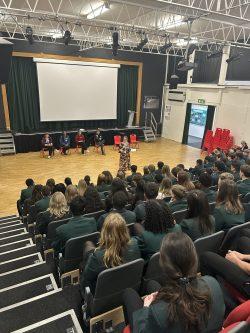
Our Year 10 students were absolutely fantastic during last week’s Enrichment Day, which focused on careers and preparing for the world of work. From start to finish, they...

Name: Lucas DC House: Elm Reason for nomination: Lucas DC has been chosen as our Student of the Week for his outstanding performance during Careers Enrichment Day....
Jack – 12Beech Very respectful, participating well in CDC activities and very successful Kindness Matters program. Well done for a successful start of Sixth Form!

Year 10 Willow House have continued to impress with their exceptional behaviour and curiosity during Friday reading sessions. Their enthusiasm for learning and genuine interest in...
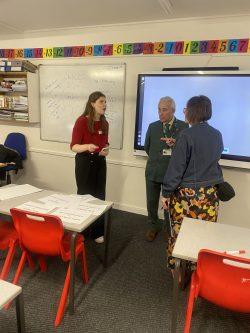
On Thursday 6th November we had a very special visitor to school. Laurence Brass, County Councillor for North Bushey and Chairman of Hertfordshire County Council. Laurence came to...
As part of our Word of the Week programme, students explore how understanding word roots can help them unlock the meanings of unfamiliar words across all their subjects. By...
Name: Edie House: Sycamore Reason for nomination: Edie showed incredible confidence and respect as she played The Last Post in front of the whole school whilst we observed a...
As part of our Word of the Week programme, students explore how understanding word roots can help them unlock the meanings of unfamiliar words across all their subjects. By learning where words come from, we develop stronger reading comprehension, improve our spelling, and gain confidence in using ambitious vocabulary in our writing.
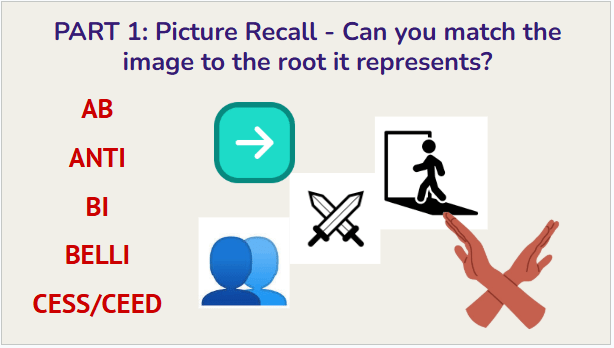
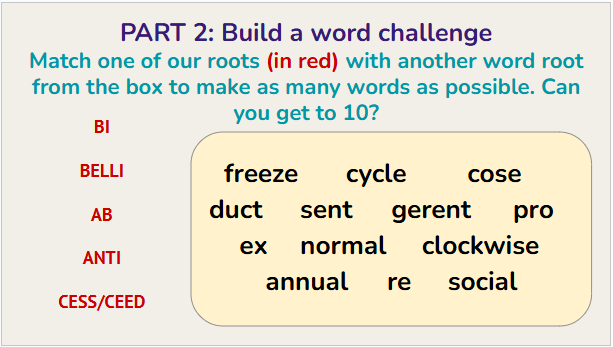
Last half term, we focused on a series of Latin and Greek roots that appear in hundreds of English words. Here’s a quick recap of the roots we’ve covered so far:
Students have been challenged each week to find and use new examples in their writing and discussions, showing how one small root can open the door to dozens of connected words.
Understanding word roots is a key part of building literacy for life – not just for English lessons, but across every subject. We encourage families to get involved too: try spotting these roots in everyday reading, and test your child to see how much they remember.
This half term, we’ll continue to grow our vocabulary tree with more roots and prefixes that help students see the stories behind words.